2 days ago
Did you know Germany once limited speed to all highways to 100 km/h?
Periskopi(4 years ago)
(4 years ago)In December 1973, the oil crisis had caused the government of West Germany to limit speed along highways to 100 km/h.
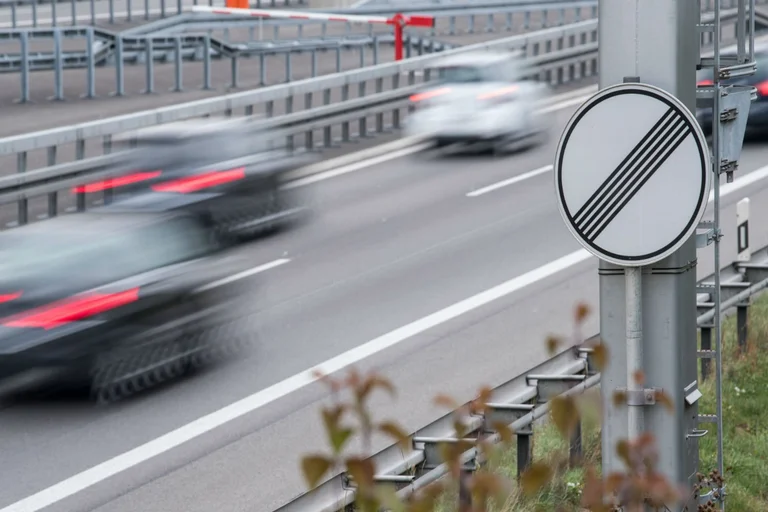
On some German highways today, you drive without restraint, and certain restrictions are set. For cars and motorcycles travelling along restricted highways, there is a 130km-h-high-speed advisory limit. It is not illegal to drive faster, but in the event of a fight, a driver's responsibility may increase depending on speed, so even when the driver is not guilty.
But how did the speed restrictions move to Germany?
In 1934 the Nazi government had approved the Road Traffic Act, and had limited speed to 60 km/h in urban areas, but without restrictions on rural roads or highways.
Later, in 1939, because of the lack of fuel, the government lowered restrictions to 40 km/h in the city and 80 km/h on all other roads.
In 1952 the government of West Germany lifted all federal speed restrictions.
In December 1973, the oil crisis caused the West German government to limit speed to the highway to 100km/h. This restriction was immediately delayed, so it was abolished in March 1974.
A speed advisory limit was adopted in 1978, and it still stands at 130 km/h.
What do you think, even our government can limit the speed on highways to save fuel?