2 days ago
The allowed root: Did you know that the speed indicator of the “hate a little?
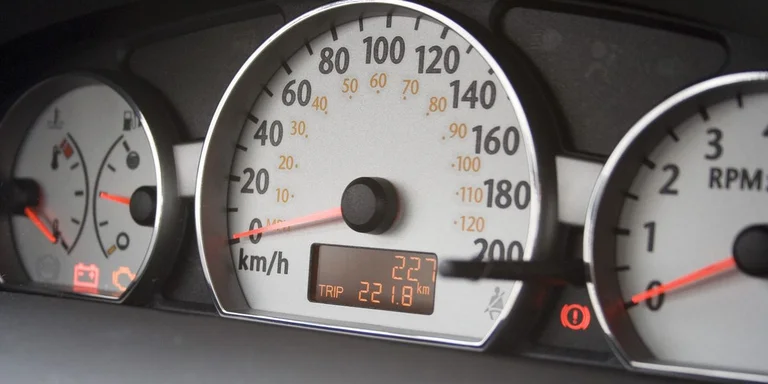
Periskopi(4 years ago)
(4 years ago)It is not permitted for the speed indicator to show lower value, for you to drive 80 km/h and it shows that the vehicle is going 78 km/h.
You may even know that the speed indicator in the car is not that precise. This, for some reasons, is that the speed of the vehicle is primarily measured by the speed of the wheel. Tires are often of different sizes; they are replaced, consumed by row, etc., so their diameter is not always the same. Consequently, producers schedule the margins of error, although they should always be such for the speed indicator to show a higher value than the current one. For example, when you drive 70 miles per hour, speed points to 75 km/h. It will never show 68 or 65 km/h. So manufacturers protect themselves from possible lawsuits after accidents, even though there is a regulation that regulates everything. The United Nations Economic Commission for Europe (UNECE) has determined that the speed indicator during car testing shows a maximum speed of 10% + 4km/h higher than the current speed. This means that during the test it can show a maximum speed of 92 km/h on tests, while the car actually goes 80 km/h. Nothing over 92 km/h is allowed.
After the car is certified, another rule is implemented: 10% + 6 km/h for cars, buses, trucks and other commercial vehicles and 10% + 8km/h for motorcycles and three - wheeled vehicles, faster than 50 km/h.
Otherwise, the electrolytic speed indicator was patented by Croatian Josip Belushić in 1888.