19 minutes ago
Tadic: Brnabiq, Petkov are lying, Resolution 1244 does not foresee the return of Serbian Army to Kosovo
Periskopi(4 years ago)
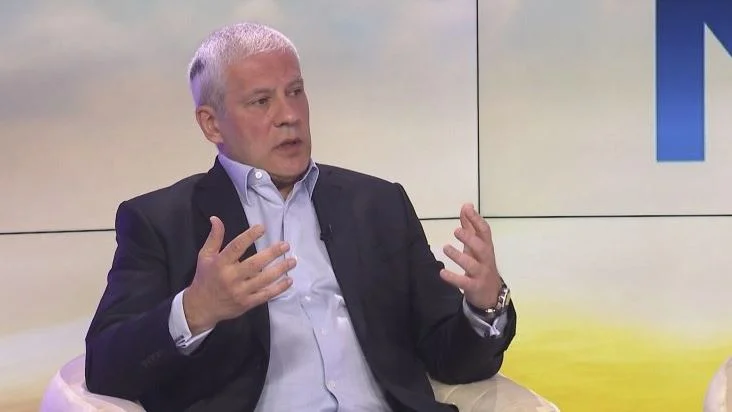
(4 years ago)Former Serbian President Boris Tadic has said that Resolution 1244 does not predict the presence of Serbian army or police in the north or in any other Kosovo country, as Brnabiq and Petkovic say. Tadic, current president of the Social Democrat Party (SD), has declared for the Serbian portal “Vreme” that Prime Minister Ana Brnabiq and director of the so-called Office for Kosovo [...]
Former Serbian President Boris Tadic has said that Resolution 1244 does not predict the presence of Serbian army or police in the north or in any other Kosovo country, as Brnabiq and Petkovic say.
Tadic, current president of the Social Democrat Party (SD), has declared for Serbian portal “Vreme” that Prime Minister Ana Brnabiq and the director of the so-called Office for Kosovo in the Government of Serbia, Petar Petkoviq are making “argue opinion” when talking about the possibility of Serbia returning a certain number of Serb forces to northern Kosovo, as Brnabiq said, so “between a thousand members of the army and police”, as Petkov warned.
Tadic reminds Serbian Prime Minister and Petkov that UN Resolution 1244, annex 2, points 6 “does not mention the Serbian Army, but Yugoslav and Serbian personnel. So it's not about any military and police troops, as Brnabiq and Petkoviq” say, it transmits Telegrafi.
He says the text of Resolution 1244's point 6 is as follows: “After withdrawal, an agreed number of Yugoslav and Serbian personnel will be allowed to return and carry out the following functions: interconnection with the international civil mission and international security presence; footnote/clearing of the mined fields; preservation of presence in Serb cultural heritage sites; preservation of presence at key border points”.
Boris Tadic, who was defence minister at the time of the adoption of Resolution 1244, says that at the time he had said that our people in Kosovo would be “mud pipe” and explains why he felt they had no place there.
In a conversation with KFOR commander, I said it would be terrible to agree that our people clean up mined fields, or that they be in parts of Kosovo where Albanian populations dominate, for example. on the border with Albania and Macedonia, and around monasteries. Except for Gracanica, around our other monasteries there are almost no Serb population”, explains Boris Tadic and points out that “in Decani lives a Serb family”.
I haven't been to send someone to a population area that is hostile to Serbia”.
“As far as first point is concerned, sending personnel as liaison with the international civil mission and international security presence, these would be liaison officers. And these aren't troops or military forces that Brnabyq and Petkovovic talk to people”, Tadic estimates.
In short, Resolution 1244 does not predict the presence of Serbian army or police in the north or any other Kosovo country”, concludes Boris Tadic.
Serbia has continued with the old avaz of threats of blackmail against Kosovo and security in the region.
So far the threats have been mainly with political statements and lobbies against Kosovo's recognitions, but since yesterday the state of Serbia has also threatened militarily.
Petar Petkov, chief of the Kosovo office in Serbia's government, has stated, among other things, that his state will consider sending 1,000 of its security forces to Kosovo.
Serbia's prime minister, Anna Brnabiq, also said Serbia aims to seek the return of a certain number of troops to Kosovo.
During a media statement from the airport “Nikola Telsa” in Belgrade, Brnabiq said the actions of her Kosovo counterpart, Albin Kurti, “na, brought to the brink of armed conflict”.
“under these circumstances, Serbia has the right and goal, under Resolution 1244, to return a certain number of troops to Kosovo”, Brnabiq stressed.
The country's president, Vjosa Osmani, has reacted today to Serbia's politicians' threats to Kosovo, who have said they will consider sending 1,000 security forces to Kosovo.
Osman at a Facebook post writes that Serbia's open threat to police and military aggression proves that hegemoneist thinking continues in that state, while adding that on the territory of the Republic of Kosovo there will never again be police officers and soldiers of Serbia.