12 minutes ago
“Le Parisien” writes about events in northern Kosovo
Periskopi(4 years ago)
(4 years ago)Since its independence in 2008, Kosovo has lost its hands: the Serb minority in the north (about 120 thousand people out of 1.8 million people) trying to maintain ties with Serbia. Backed by Russia, Serbia has never recognised Kosovo, unlike the United States and most countries [...]
Shots of firearms and grenade attacks, resignations of municipal chiefs, judges and policemen, postponement of elections... In just a few days, this sleeping conflict woke up again, the French daily's writing begins.
What was the trigger?
Despite the relative autonomy Kosovo provides some municipalities in the north, the government is trying to establish its national preparations gradually. It all started with a symbol: in early November, Kosovo decided to replace car plates issued by its own Serbia, under penalty of fines. The recent “months, Kosovo authorities have increased the pressure for these plates to become illegal. It's actually symbolic, because it's about 10,000 cars, so a tiny car fragmat with these plates -- ”, explains Ulrich Bones, geopolitical analyst specialising in the Central European affairs.
To protest against this rule, which is regularly postponed, Serbs in local administration have resigned: they are judges, police officials, and majors. The Serbian government supported these resignations by providing assurances allegedly compensation for the loss of their work”.
What happened?
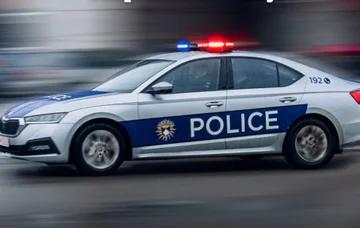
This wave of resignation had a domino effect. To fill the gap, Kosovo sent police officials (from the Albanian community) to those areas and announced the organisation of municipal elections on December 18th. These decisions fuelled the anger of Kosovo Serbs -- in early December, buildings used for elections were burned, and a Kosovo Albanian police patrol was attacked.
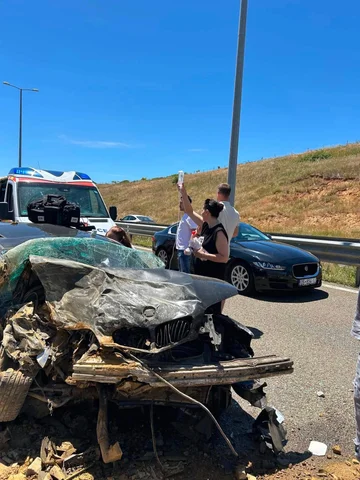
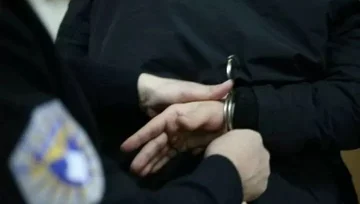
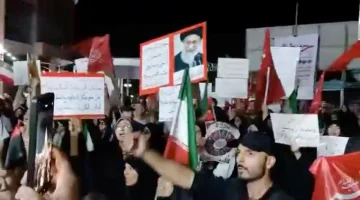
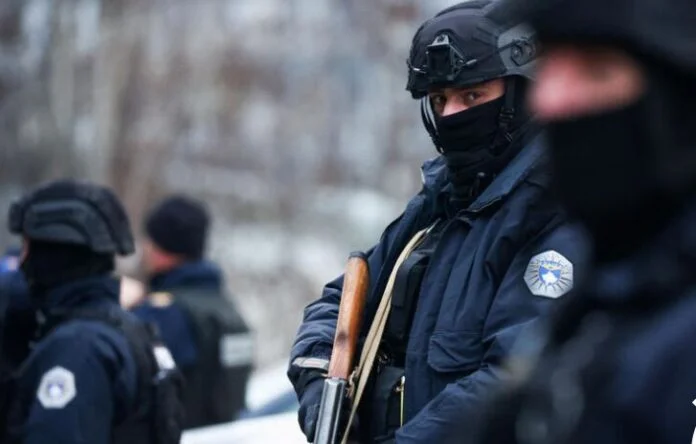
The arrest of a retired police officer suspected of participating in these fires has further exacerbated the situation: the Serb minority has placed barricades on two roads leading to border points towards Serbia. On Saturday evening, police reported that they had successive shooting attacks. Protesters fired bullets at police and fired shock-babes at the EU rule force, writes the French newspaper Le Parisien.
What role does Russia play?
Russia supports Serbia, with which it has past historical and religious ties. “We are in favour of the parties making efforts to a peaceful nature so that this situation can be resolved by diplomatic means,” said Russian presidential spokesman Dmitry Peskov.
“During my stay in Mitrovica in 2017, Serbian and Russian flags decorated the large pedestrian route”, recalls Ulrich Bones. In popular imagination in Serbs, Russia is the great Orthodox defence brother who guarantees the country's security. This is probably less true in practice. According to him, Russia is not doing anything to resolve the conflict. “But I don't see Moscow's hand even in current events, they're caused by protagonists”.
Russian diplomacy spokeswoman Maria Zakharova has used this news to criticise “co-operation” The EU and US with authorities in Pristina who, according to her, bear the full responsibility for political degradation in Kosovo”. Russia “will continue to help Belgrade protect its legitimate national interests regarding Kosovo”, she added.
This conflict is part of the long list of Russian complaints to the West. NATO intervened only once in a non-member country: it was 1999... in Kosovo. The organization then presented humanitarian emergency to justify its co-war. The Atlantic Alliance was on its own, and Russia remembers that. “To make this intervention was completely illegal and unjustified”, the analyst highlights. “It fuels their argument that Westerners do what they want with international law”.
What are the reactions?
To calm tensions, Kosovo announced the postponement of elections on April 23rd. European troops (Eulex) and NATO (KFOR) have been re-locationd. EU police were targeted by a stun grenade, which caused no injuries in its ranks. “This attack, such as one against Kosovo police members, is unacceptable”, said in a EULEX statement.
NATO, which also has a 4,000-member mission to Kosovo under a UN mandate, also considered these “unacceptable” attacks. Like Quai d'Orsey, who reacted on Monday: “Finance is very concerned about the situation in northern Kosovo and strongly condemns the unacceptable attack against EULEX mission in Kosovo, as well as all acts of violence on the ground”.
Can the situation get worse?
Territorial conflict adds to an ethnic antagonism, recalls Patrick Martin-Genier, a political scientist specialising in the European Union. “90% of Kosovars are of Albanian origin, so mainly Muslims, and Serbs are Orthodox Christians. This identity attraction can turn into a powder barrel. The threat that an ethnic conflict can resurface in Europe remains”.
But these repeated tensions are unlikely to lead to open conflict. Their top economic partners remain “ “Serbs hope to join the EU one day. So Europe has the pressure to extinguish the fire. The case will be postponed, as usual”.