13 minutes ago
Ischinger urges EU to act urgently in the north
Periskopi(3 years ago)
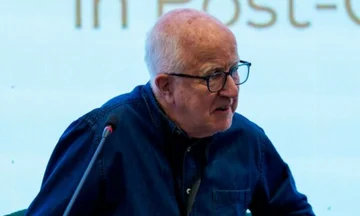
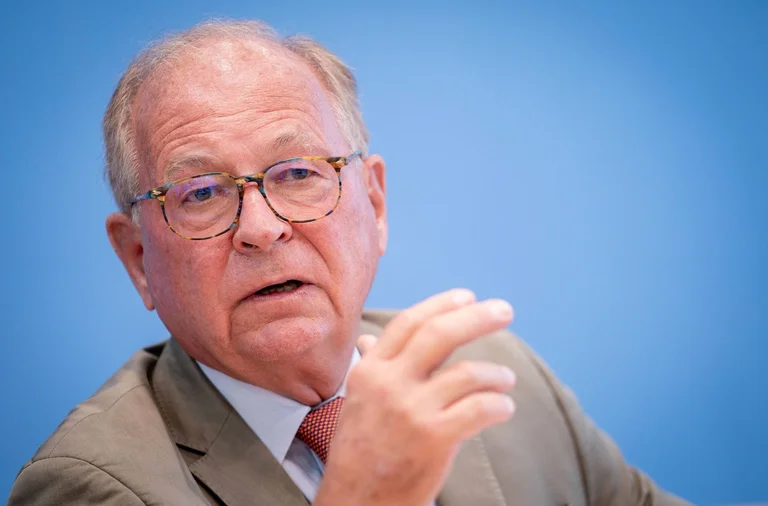
(3 years ago)Former German family in Kosovo- Serbia during 2007-2008, Wolfgang Ischinger, has blamed Serbia for the tense situation in the north until it has asked the European Union to act urgently. The “thoroughly concerned with continued tensions. The EU's decisive emergency action. Is Serbia aware that promoting violence in the neighbouring state, Kosovo, [...]
The “thoroughly concerned with continued tensions. The EU's decisive emergency action. Has Serbia been informed that promoting violence in the neighbouring state, Kosovo, would make it impossible to continue the EU membership process?”, Ischinger wrote on Twitter, making “ENion” Josep Borrell and Ursula von der Leyeen.
Ischinger has even distributed an article of the “The Economist”, titled “Kosovo and Serbia again on the brink of conflict”.
The Economist article starts with details about Serbs staying in Rudare. “In the village of Rudare locals roam the streets and warm their hands on flaming mangalls. Trucks block the road. A car downloads a group of masked people. On December 10th, barricades were erected throughout Kosovo's north, where most of the residents are ethnic Serbs. Diplomats from America and the European Union are working overtime to calm an explosive situation. On the walls of the nearby divided ethnic-Serb part of Mitrovica, someone has sprayed the ridge of a mysterious “Briggare. If it's a secret paramilitary organization or a campaign to get people to believe there's one that nobody knows. ”“Since the end of Kosovo's 1999 war, crises have come and gone north of the country.
Diplomats rush and barricades descend. But he feels more dangerous than usual. In November, representatives of the Kosovo Serb minority withdrew from the country's government institutions”, writes The Economist. The Economist writes that it is still unclear whether Kurti and Vuciq can accept diplomats' proposals.
“Kurti says he is willing to find a solution and normalise relations between Kosovo and Serbia. However, it is unclear whether he or Mr. Vucic can accept the exchanges diplomats are proposing. They demand that Serbia treat Kosovo as a state, even if it is not officially recognised. Kosovo must implement an agreement signed in 2013 (even though it was rejected by Mr. Kurti, who was then in opposition) to form an association of majority Serbian municipalities with autonomy over education, health care and other portfolios”, reports The Economist.