9 minutes ago
German media: Events in the North Dangerous Sting
Periskopi(3 years ago)
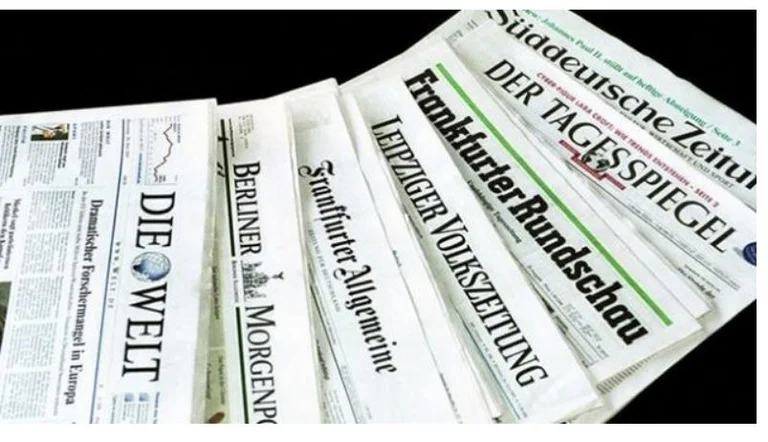
(3 years ago)Not only German politics has reacted after severe tensions in the north. German media also pay attention to developments in northern Kosovo. The newspaper “Frankfurter Allgemeine Zeitung” in its analysis following the rigging of the situation in the north writes that what is currently happening in northern Kosovo is a dangerous scaling, which [...]
The newspaper “Frankfurter Allgemeine Zeitung” in its analysis following the rigging of the situation in the north, writes that what is currently happening in northern Kosovo is a dangerous escalation, which the West should take seriously. Because of the conflict in Ukraine [...] many have forgotten, that war has not returned to Europe this year. The first powder boat, which erupted after the fall of the Wall, was the former Yugoslavia. [...] But much more than in Ukraine, Brussels and Washington have direct possibilities of influence in the Balkans. [...] therefore this time it must be basically possible to bring things back under control. Neither Serbia nor Kosovo have any interest in violence or serious setbacks in Western relations. For Moscow [...] this is not worth it. Only for that reason is it so urgent that Europeans take better care of the Balkans. ”
While the newspaper “Märkische Zeitung” reacts to Serbia's policy towards Kosovo and Russia. “However, Vuciciqi is expected to be almost with humility by representatives of the European Union. This policy “apusement” has caused the situation to escalate. So it's time for policy change: Western factors must clearly seek by the Serbian president to end provocations and the desire for major Serbian power and control the money flow channels from Russia. In addition, the EU must condition giving money to Serbia and finally realise that Vuciqi will not even enter the EU.”
While “Welt” under the title “Serbia's lighting game can spread fire” writes that many would let you understand, that it is Russia in the background, which promotes the conflict between Serbia and Kosovo, even to cause uncertainty in the west. President Putin uses Serbian President Aleksandar Vuciq as his assistant. [...] In the worst case, the dispute could come out of control and trigger an extended conflict in the fragile Balkans, despite NATO presence and this one in front of the EU door. ” “Welt” analyzes further that the current clashes show, that the EU-brokered agreement was not worth much. “The agreement was very friendly towards Serbs against Serbia and did not resolve problems with the obligation of the Kosovo government to allow a association of Serb municipalities- it is not understood why the EU has so far drawn that agreement anywhere.” / DW