8 minutes ago
“Albin Kurti making Western partners nervous
Periskopi(3 years ago)
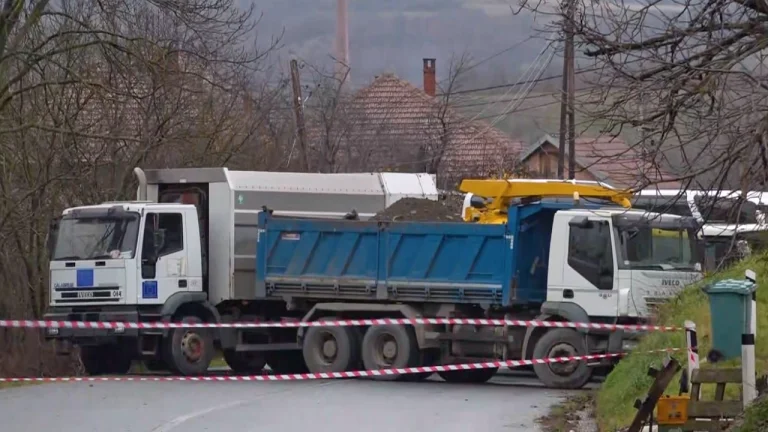
(3 years ago)The prestigious French newspaper “Le Monde” has seen a change in Kosovo's foreign policy regarding its Western allies. In a long analysis, occupying a front seat on its fourth page, the daily, analyzing the recent tensions in northern Mitrovica, reports that Albin Kurti's behaviour is irritating diplomats [...]
“If the Serbian side cannot be acquitted of using combative rhetoric, the source of tensions should be sought in Pristina this time. Since the beginning of 2022, incumbent nationalist Albanofon, Albin Kurti, has been adding shares in North Mitrovica, even at the price of deregulation of the status quo, preferred to date by Europeans and Americans”, writes correspondent from Vienna Jean-Bapiste Chatand.
The report says there is a kind of difference from the previous policy of unconditional obedience to Western embassies. In Kosovo, when political crises catch fire, protests or messages amended by various Western embassies -- primarily those of the United States -- are enough to calm down. Nearly two million Kosovars know they are deeply indebted to NATO's crucial role in the fight against Serbia in 1999 and they do not want a deal with their Western sponsors, especially in the face of a government like that of Russia-backed Belgrade, which still does not recognise the independence of its former province”.
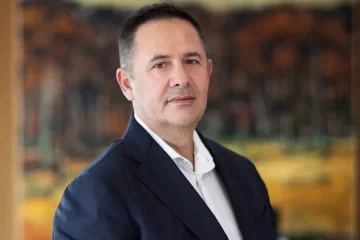
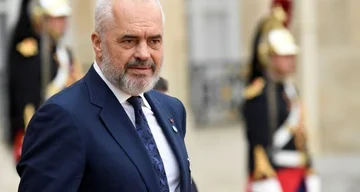
It is about this questioning of yes man's stance on internationals that Albin Kurti is targeted, taking on Albanian prime minister's statements as the basis for that. You have the leader of the Student Movement of the 1990s, Mr. Kurti, 47, stands out for his legendary rigidity criticised by Albanian government chief Edi Rama. He forged his karateer in Serbian prisons, where he remained closed for two years before establishing Vetevendosje, on the idea of a radical rhetoric of Kosovo joining Albania. After several years of opposition, he won the February 2021 legislative elections, with the promise to fight against political corruption. His victory was well seen in many European capitals. During that campaign Kurti spoke very little about Serbia, ensuring that the new government's priorities would be “the creation of jobs” and “Reform in justice”.
But, “Le Monde” suggests that with coming to power, promoted and from the new international context of the alliance that Serbia and Russia showed, following the invasion of Ukraine, the new prime minister changed that approach, having first planned reciprocity measures with Belgrade.
“Albin Kurti selected an offensive strategy in Mitrovica early 2022. In April, he first stopped holding Serbian parliamentary elections. In August, he demanded that Serbia recognise Kosovo identity documents and license plates, threatening that local Serbs would be denied the right to go to Serbia with their documents. A simple “reciprocity” argues, Mr. Kurti. But each time, these claims have caused violent reactions on the part of the Serb minority in Kosovo, which still lives with the illusion of a return to Belgrade Bay, as well as at the same time, the concern of Western Chancellors, who have urged the Kosovo side to postpone its shares for a later time. According to the newspaper's comment, which stresses that these behaviours have exasperated its Western allies, Kosovo's prime minister has responded to their demands with points.
At the end of the analysis, Jean-Basist Chatand, mentions also the Franco-German plan, which says he will force Kurt to make concessions.
“Finance and Germany have tabled a draft agreement that would allow the form of informal recognition of Kosovo, according to the model of the two Germanys during the Cold War. But to get to its signature, this deal will also force Mr. Kurti will make his concessions on the rights of the Serb minority”. / Lapsy.al