23 minutes ago
As a red card in 2007 turned Cristiano Ronaldo into the most deadly attacker in the world?
Periskopi(4 years ago)
(4 years ago)The new book expected to appear on the market reveals that the Man United star used the four-week sentence to study Eric Cantona, to attend the unique exercises of Rene Meulenstein and to score 5,000 goals in the exercise. The exact moment that helped turn Cristiano Ronaldo from a Premierliga star into the greatest goalist [...]
The exact moment that helped turn Cristiano Ronaldo from a Premierliga star to the greatest goalist the world has ever seen is marked in a new book on Portuguese phenomenon, Pryscope forwards.
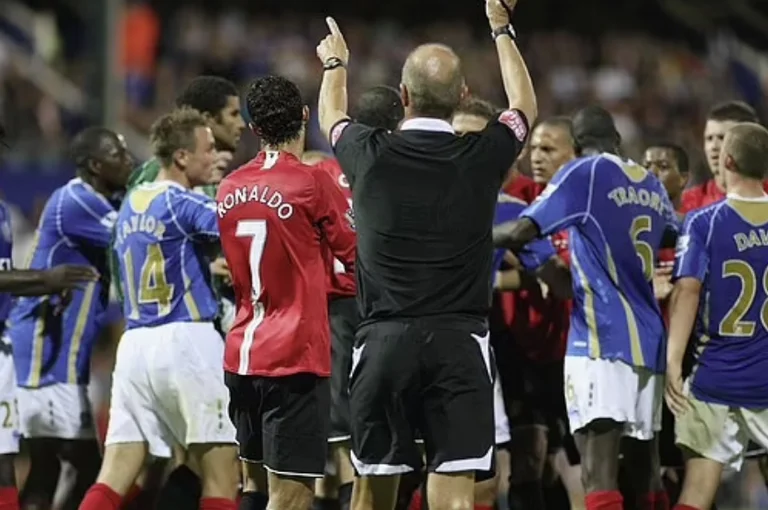
This book details how an offensive red card in a ball league match against Portsmouth in 2007 opened the way for Ronaldo's intensive training that taught strange actions in front of the gate.
The catalyst for Ronaldo's extraordinary change in front of the gate came to Fratton Park on August 15th 2007, when he was devastated with red for three matches.
Sir Alex Ferguson was angry with the decision, but had much to do after his number 7 was hit with a three-game ban, keeping it out of their next three league matches against Manchester City, Tottenham and Sunderland.
Not only that, but home fighting with Sunderland would proceed with an international holiday, which means Ronaldo couldn't wear United's fan for another month, when he confronted Everton at Goodison Park in mid-September.
This holiday helped Ronaldo!
With his spare time, he decided to start more training and asked for help Rene Meullenstein While the two worked to improve the attackers.
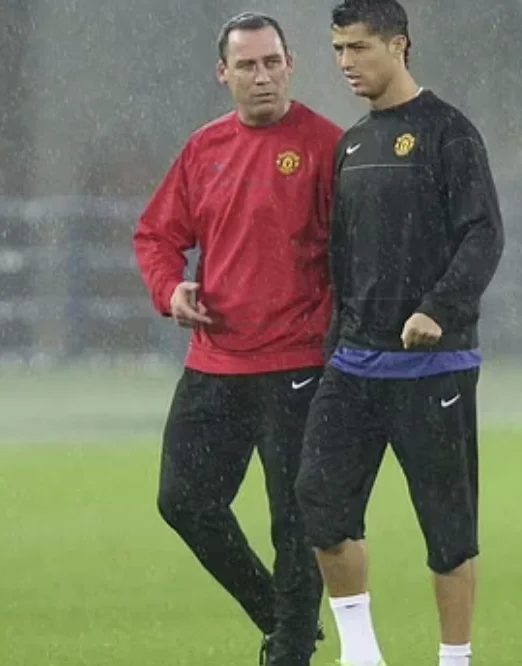
The Dutchman had identified a defect in Ronaldo's game, in what he was most concerned about the quality of his goals, compared with the amount.
Meullenstein led him to study videos of former Manchester United strikers like Eric Cantona and Ruud van Nistelrooy to the point when the Portuguese star reported himself.
As the book points out: “He designed a series of exercises to make Ronaldo aware of his position in the field and to show him how to mark from different perspectives within the area.
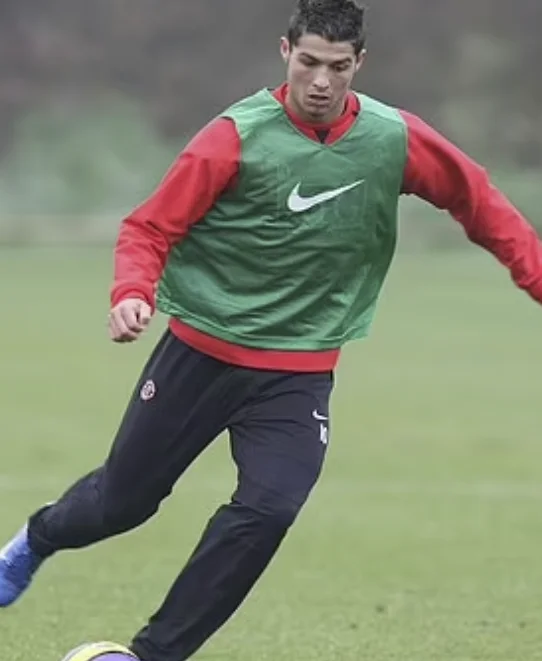
He created a map of the field and the goal to classify any kind of outcome. Focusing on three distinct locations directly ahead of gate (zone 1), both sides (zone 2) and abroad (zone 3) and nine different areas of the gate. )