17 minutes ago
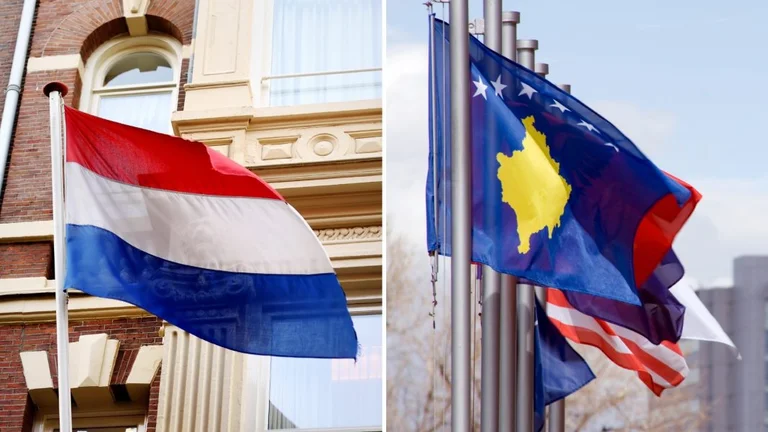
Netherlands changes position, now pro-visa liberalisation for Kosovo
Periskopi(4 years ago)
(4 years ago)The new up-to-date European Commission report has lifted state allegations that for years had a skeptical attitude towards abolishing visas for Kosovo. The Netherlands is already pro liberalisation. The Netherlands Foreign Affairs Ministry in a response to the Express for the first time has said they may already agree [...]
The Netherlands' Ministry of Foreign Affairs in a reply to Gazeta Express for the first time has said they may already agree that Kosovo will be waived after seeing the EC report on Kosovo found.
“Handana can now agree to visa liberalisation, as commission update and progress report show a positive” trend.
The Dutch state has praised Kosovo's current government for progress in areas that have previously been disturbing for it and have influenced holding a stance against the liberalisation process.
We have seen mainly progress in the fight against corruption and organised crime, migration and border management, as well as against terrorism. We praise the progress made in the reform agenda by the Kurti government. This progress will now have to continue. It is very important that Kosovo further harmonise its visa policy with EU visa policy”, said in response.
But, the Netherlands says its government “will monitor progress in this direction”.
The political changes that took place in Europe and promises recently made by senior European Union officials for bringing the Western Balkans closer to Union brought the visa issue back to the discurs of Kosovo opinion.
The process, blocked in the EU Council, was recently discussed by the Council of EU visa processing group, but news released from these discussions again deepened disappointment. At a meeting of this group held on 13 October, French officials proposed that visa liberalisation for Kosovo be linked to functionalisation of the so-called system. E TIAS. Therefore, Czechia's proposal, the country currently leading the EU presidency, was that visa liberalisation be linked to functionalisation of the travel system E. TIAS, as France requested, but at the same time set the date for strengthening the decision: “no later than December 1, 2023”
For countries that continue to have hesitations, the Czech Presidency has said they will work to clarify them, but has refused to show what those states are with the reasoning that efforts to further the process will be damaged.
“Negotiations continue. We've got some reactions again regarding the proposal, so there are still some issues that need to be clarified. Unfortunately, I cannot speak for the concrete member states and their concerns, as this may affect our efforts to reach a visa liberalisation agreement for Kosovo as soon as possible”, Czech Presidency spokeswoman Eva Hrnova said on Wednesday.