14 minutes ago
NASA launchs a rocket to the moon
Periskopi(4 years ago)
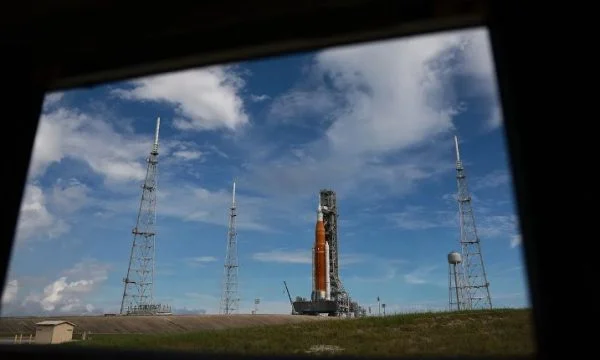
(4 years ago)The historical mission Artemis I officially launched, with the launch of the mass missile in the early morning hours of November 16th, after months of postponement due to technical problems faced by the American Aeronautics and Airspace Agency. The 98m-high rocket was launched from Florida Air Base in the middle [...]
The 98m-high rocket was launched from Florida Air Base, in the middle of the darkness, lighting up the sky and everything around it.
The Orion space shuttle, which is the main point of the mission, will orbit Earth's natural satellite, moon, in 25 days, to return to earth on December 11th and complete the first lunar mission since its first descent from mankind in 1969.
“We will return to the moon after 50 years, to stay, to learn to work, create, develop new technologies and new cosmic systems to go to Mars”, the manager said NASA, Bill Nelson, explaining the purpose of the Artemis programme in an interview with “Newsweek” earlier this year.
Despite the fact that this project currently does not impose direct participation of people inside the spacecraft, it is expected that in 2024 NASA missions will be more complex and include astronaut crews in them.
Everything we're doing with this mission, Artemis I, is see what goes wrong and what goes wrong. So we will be able to improve all technicalities and minimize the risk for the next mission, with people on board, Artemis II”.
So explained astronaut Randy Bresnik regarding the mission.
The only thing already expected are concrete results