an hour ago
Illegal plates: Police confirm fines pronounced by November 22nd parade
Periskopi(4 years ago)
(4 years ago)Kosovo police have confirmed to Radio Free Europe that in the morning of November 22nd, after 8:00 a.m. respectively, they will begin presenting fines for citizens who have cars with what authorities in Kosovo consider illegal Serb license plates. Proposal of the fine is part of the Kosovo Government's decision to reregister [...]
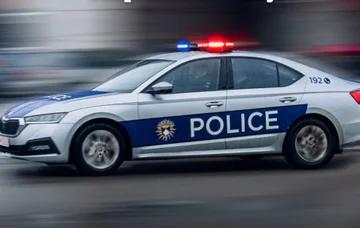
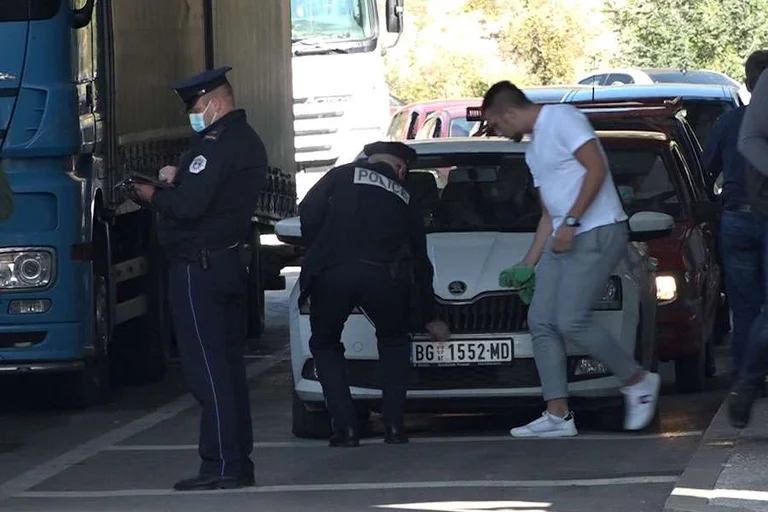
Kosovo police have confirmed to Radio Free Europe that in the morning of November 22nd, after 8:00 a.m. respectively, they will begin presenting fines for citizens who have cars with what authorities in Kosovo consider illegal Serb license plates.
Proposal of the fine is part of the Kosovo Government's decision to reregister cars with Serbian illegal license plates at the RKS Republic of Kosovo.
The first phase has envisioned reproof, the second envisions fines, and is later envisioned setting up some pro-active plates.
Under the Government's decision, after April 21st, there should be no more cars in Kosovo with such plates leaving Serbian authorities.
The implementation of the license decision comes after Kosovo Prime Minister Albin Kurti and Serbian President Aleksandar Vuciq have reached no agreement on the license issue at an emergency meeting called by the European Union in Brussels.
The United States has been urging Kosovo to postpone implementing the decision on Serbian illegal plates for 10 months.
But the Kosovo government has started implementing the decision on November 1st.
Prime Minister Kurti has said the European Union's proposal on the issue of Serbian illegal plates has been unacceptable, and that European Union mediators “have resigned from their proposal for normalising relations between Kosovo and Serbia.
According to him, the EU proposal, that Kosovo not begin with the pronunciation of fines, and that Serbia does not issue new license plates for Kosovo Serbs, is unacceptable “if it is not agreed urgently to engage in final agreements for normalisation of relations”.
European Union top diplomat Josep Borrell has placed responsibility especially with the Kosovo side for failing to reach the agreement.
“After many hours of discussion, the two sides disagreed on the solution today”, Borrell said, adding that such a thing leaves “vacum very dangerous security in an already fragile” situation.
For the sake of transparency, we presented a proposal that could avoid this dangerous situation. President Vuciq accepted it, but unfortunately Prime Minister Kurti refused to accept”, Borrell has told reporters.
Serbian President Aleksandar Vuciq has said after the meeting that the Serbian side will respect “calla and requirements” of the European top diplomat, Borrell, who brokered the talks.
Serbia, which has issued illegal license plates to Kosovo Serbs since post-war in 1999, opposes this plan by insisting on neutral plates to Kosovo status.
As a result of mounting tensions, Kosovo's northern Serbs, where cars with illegal license plates mainly circulated, have resigned from Kosovo institutions.
They have also warned that they will reject the pronunciation of fines by Kosovo authorities.
Kosovo and Serbia have launched negotiations on normalising relations in 2011, with the European Union's mediation.
The negotiations process is expected to end with legally binding agreement.
Although Kosovo claims that this agreement should include mutual recognition, Serbia refuses, insisting on <x0 compromise resolution”.