11 minutes ago
German Federal Labor Agency commits to more foreign workers
Periskopi(4 years ago)
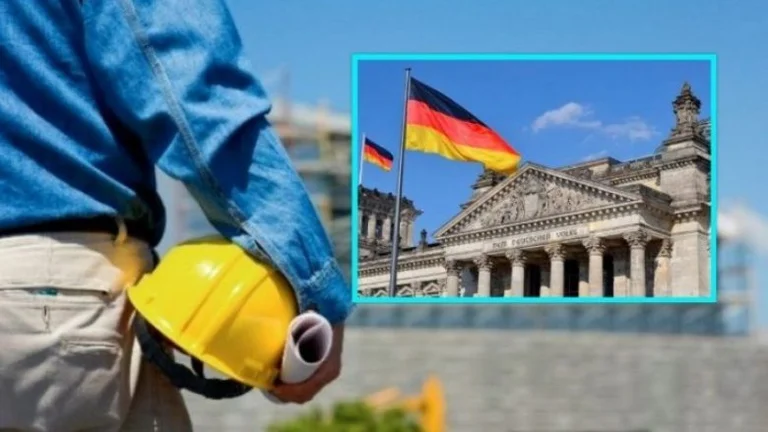
(4 years ago)Germany's Federal Labour Agency states that the economy and middle companies support the arrival of the workforce from other countries. The economy cannot function in its present form without additional workers. Federal Labour Agency chief Andrea Nahles calls for more immigration in Germany. “due to demographic change, [...]
Federal Labour Agency chief Andrea Nahles calls for more immigration in Germany. Because of demographic change, there are no scenarios where we can get out without the great emigration”, Nahles told Süddeutsche Zeitung. “German is an immigration site.” The Federal Republic needs about 400,000 additional workers and skilled workers annually, the former Social Democrat Party chief (SPD), now head of the Federal Labour Agency, added.
Nahles: Still Many Hurdles for Foreign Workers
Foreign workers still have to overcome a relatively large number of obstacles for coming to Germany. This begins with barriers to visa issuing and runs through immigration offices with insufficient staff to recognition of diplomas and language barriers. Therefore, politicians must act and make things easier, Nahles thinks. Insurance of qualified workers is the central job market issue.
At the same time, the head of the Federal Employment Agency warned that even the internal potential of workers should be better exploited. “75 percent of women are employed, but many work part - time. Young people with migration backgrounds should be supported more than before,” she said. Women of migration background often have more obstacles in the German labour market. “Even the elderly or the unemployed have not been given sufficient opportunities so far. ”
Schnitzer: Relief of citizenship “obsolutely welcome”
In this context, Economic Experts Chairman Monica Schnitz supported the federal government's planned citizenship law reform. The easier citizenship acquisition strengthens the integration of foreigners who live and work in Germany, the head of the expert council told Funke newspaper, talking about general economic developments. “In the function of demographic change and growing lack of workers, in particular qualified workers, this is certainly welcome. ”
The Federal Association of Middle Business (BVMW) also supports these plans. The reduction of bureaucratic barriers in the naturalisation of software engineers as well as nursing personnel could be an important advantage for their arrival and remnant in Germany in long term, said Editor-Distor Germany (RND) Marcus Jerger.
The federal government wants to lower legal barriers to German citizenship. In the future, it should be possible to obtain citizenship after only five years of residence in Germany instead of eight years as it is now. In the case of <x0 specific integration achievements” this should be possible after three years. Union parties reject
Federal Statistics Office: The highest net immigration since 1990
Meanwhile, the Federal Statistics Ent reported that in the first half of 2022, more than one million people with foreign citizenship have come to Germany. Net migration from January to June was 1,046,000, according to the Wiesbaden headquarters. This is the highest value in half a year since Germany's reunification in 1990.
The population in the Federal Republic grew by 2.9 million by the end of 2014 to the middle of 2022. But the number of people with German citizenship has been reduced, the statistics say. The increase is largely due to refugee migration from regions involved in war and violence, such as Syria, Afghanistan and Iraq in 2015/2016. But the number this year has been increased especially due to Russia's aggression in Ukraine, and significant flows are also from EU countries such as Romania, Bulgaria and Poland. / DW