4 minutes ago
EU agrees that avoiding sanctions be put on crime list
Periskopi(4 years ago)
(4 years ago)European Union members have unanimously agreed to step up the avoidance of sanctions on the EU's list of crimes, while the bloc continues to seek ways to punish Russia for its fight in Ukraine. The 27-member bloc said it agreed on Monday to add violations of restrictive measures on the crime list [...]
European Union members have unanimously agreed to step up the avoidance of sanctions on the EU's list of crimes, while the bloc continues to seek ways to punish Russia for its fight in Ukraine.
The 27-member bloc said it agreed on Monday to add violations of restrictive measures on the list of crimes involved in the Treaty on EU Function.
The movement is expected to ensure member states share the same legal definition of what constitutes violations of restrictive measures and what penalties must be implemented.
This is expected to ease concerns that the different levels of enforcement of sanctions from any individual country could increase the risk of EU measures being bypassed, allowing individuals and companies designated to gain access to their assets and support those targeted by the bloc.
The agreement comes after the EU has adopted an unprecedented number of sanctions targeting Russia in response to its invasion in Ukraine at the end of February.
Since the Kremlin annexed Crime from Ukraine in 2014, The EU has imposed asset freezes and travel restrictions on 1241 persons and 118 subjects.
The EU says sanctions target Russia's economy in an effort to undermine its ability to continue the war.
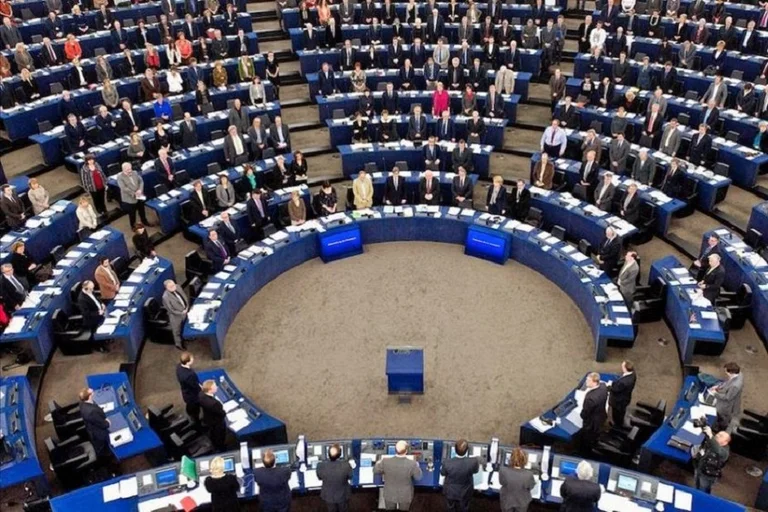
The European Commission, the union executive branch, is now tasked with submitting a proposal for determining criminal acts and penalties, which will then be discussed and approved by the EU Council and the European Parliament.