16 minutes ago
Block B1 in Remont since Wednesday, imports 200 megavat/hour power
Periskopi(4 years ago)
(4 years ago)According to KED officials, these days the average consumption of electricity during the day in the country behaves around 600 megawatt hours, while in peak hours it goes to 800 megawatts. Therefore, the country's lack of electricity for consumption needs is conditional on imports from external energy markets. The amount of electricity [...]
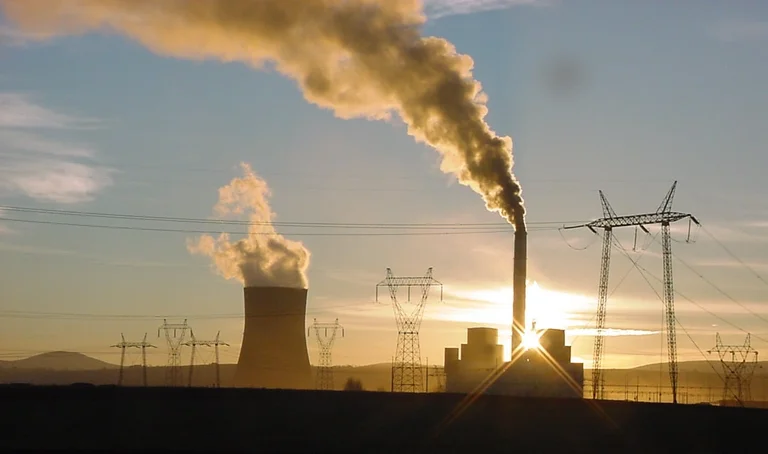
From Wednesday (November 2nd 2022) bloc B1 of the Kosova B thermal power plants has withdrawn from production due to a planned several-day remont. And with the withdrawal of B1, in production since Wednesday so, there are only three units of Kosovo thermal power plant production, respectively, and A3 and A4.
In all, our thermopacytes are currently being generated around 520 megavat/h of electricity and a symbolic amount of electricity from existing renewable energy capacities.
However, even though they are still holding days in good weather and with little intense cold, which, as a result, has less than enough consumption, compared to summer months, this amount of electricity is not enough for Kosovo's consumption needs. According to KED officials, these days the average consumption of electricity during the day in the country behaves about 600 megawatts per hour, while in peak hours the current spending still runs to 800 megawatts. Therefore, the country's lack of electricity for consumption needs is conditional on imports from external energy markets.
The amount of imported energy, until it is out of the B1 process, is about 200 megawatts per hour, ECDS officials have told the Economic Bulletin.
While, thermal power engineers Kosova B today have told the Economic Bulletin that the B1 bloc will return to production tomorrow, with what amount of electricity produced by our thermocaps will increase to 260 megawatts, as long as it is power of this bloc. But, as Kosovo B reports, production from the two Kosovo entities B will take very short, perhaps two or three days, after returning to work B1, is planned to withdraw, thus, for several days B2 for several days of repairs. This is the current electromagnetic situation in the country.
While winter, it is known, it will dictate other electromagnetic circumstances in Kosovo, when there is expected to be a significant lack of electricity. Will Kosovo have money to import the energy it will lack remains to be seen.
However, rationalizing the cost of electricity, or saving where it is possible, remains the only possible option to ease the effects of lack of energy during winter. Because, in the freezing months, the price of electricity is set to be too high this year, and for Kosovo poor and financially, it will be very difficult to obtain the necessary import. While, if it continues to hold this time without abundant resources, even expectations from the exchange of electricity, respectively, from the return of the deposited current debt to KESH, will be very dim.
As it is known, under agreements between the two electromagnetic corporations of Kosovo and Albania, to exchange the current between the two Albanian states, Kosovo has deposited in these months a very imposing amount of electricity. It's about 150 thousand megavat-hours already deposited in KESH. But, with this state of low water accumulate in horocentral lakes in the Drini Casade, Kosovo has very little chance of hoping for debt from power stored in KESH.
It should be commemorated that in the over-extended stabilisations, despite the very regular and frequent remontes that KEK has made this year to current production units, and despite their standards maintenance, there can be various technical defects, which means the unexpected disruption of production. In these cases, then, especially in low temperatures days, the electromagnetic situation will necessarily deteriorate, and electricity consumption limits will necessarily be applied.