11 minutes ago
BBC echoes the achievement of Kosovo- Serbia
Periskopi(4 years ago)
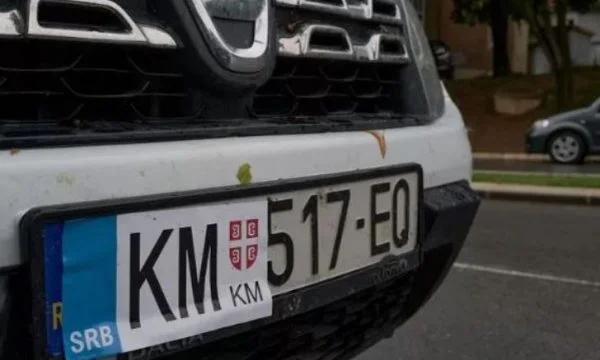
(4 years ago)Kosovo and Serbia have agreed on steps to ease a dispute over Serbian car plates, which had threatened to cause violence, the BBC writes. EU foreign policy chief Josep Borrell wrote on Twitter: “we have an agreement! ” and said both sides would try to normalise relations. Kosovo, and [...]
EU foreign policy chief Josep Borrell wrote on Twitter: “we have an agreement! ” and said both sides would try to normalise relations.
Kosovo, which declared independence from Serbia in 2008, had threatened to begin to fine drivers from Thursday if they continue to use the plates issued by Belgrade.
But Brussels talks resulted in an agreement.
Borrell said Serbia will stop issuing plates with the appointments of Kosovo cities, and Kosovo will not require that vehicles with Serbian license plates be reregistered.
On Monday, he expressed outrage when Kosovo refused to accept the proposed EU agreement.
But Kosovo turned to negotiations under pressure from its main ally, the US, reports BBC correspondent for the Balkans Guy Delauney.
He says the deal sounds identical to the EU proposal on the table earlier this week.
Kosovo authorities want the ethnic Serb minority to hand over their plates issued by Serbia. The government in Pristina has argued that plates dating back to the 1999 war of territory for independence from Serbia can no longer be valid.
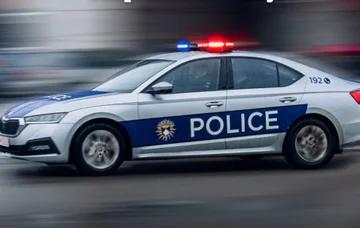
Kosovo police would impose fines of 150 euros, for holders of plates issued by Serbia.
50,000 Serbs in northern Kosovo accept only local Serb institutions, and there have been demonstrations against Pristina license policy.
Before Wednesday's compromise, Serbia insisted that vehicles crossing its border from Kosovo carry posters produced by Serbia on their Kosovo license plates.
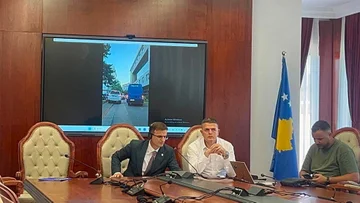
Serbia's President Aleksandar Vuciq has held talks Monday in Brussels with Kosovo Prime Minister Albin Kurti, with EU mediation.
Kosovo Serbs gathered again Wednesday against Kurti's government, as talks in Brussels resumed between Serbian official Petar Petkovic and Kosovo Deputy Prime Minister Besnik Bislimi.
In the divided town of Mitrovica, for a long time one point of confrontation between Kosovo Serbs and ethnic Albanians, hundreds of Serbian women accused Pristina of seeking to “enjoy the Serbian minority. They held banners “d peace” and “Kurti, children don't give you”.
About 3,700 NATO peacekeeping troops remain deployed in Kosovo, the KFor Force to prevent any blasts in the former Serbian province.