12 minutes ago
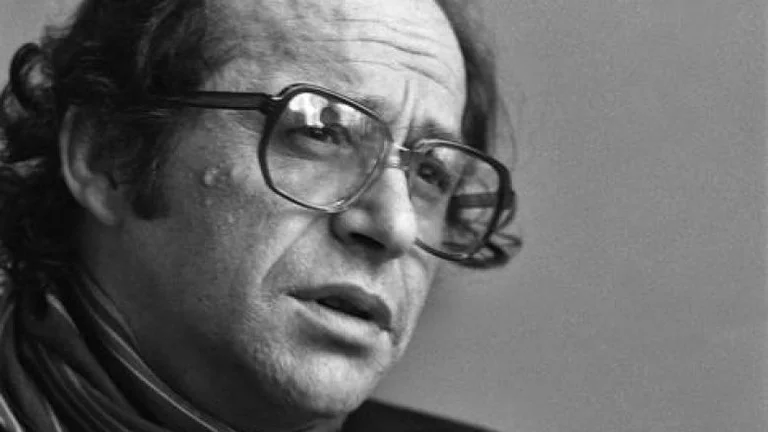
“Those writers have become bureaucratic”, Ibrahim Rugova in Albania's security file
Periskopi(4 years ago)
(4 years ago)For years, Albanian Security agents in the 1970s-80s had gathered information on Albanian intellectuals from Kosovo, especially those visiting Albania. Among the personalities that we had gathered for years was Ibrahim Rugova and other scholars. The then Albanian state intended to learn much about views [...]
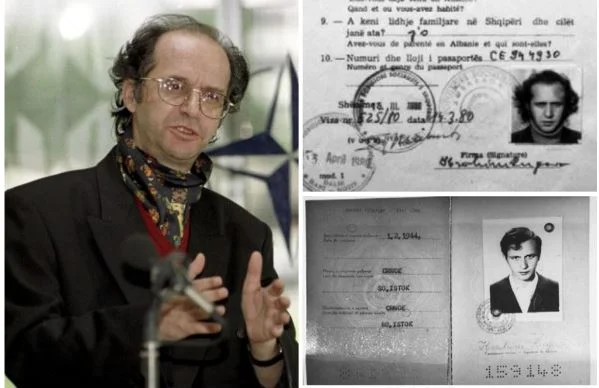
The then Albanian state security agents had attended each step and drafted various information for the renowned literature scholar Estethi, literary critic Ibrahim Rugova, who during the 1970s and 1980s had been in Albania twice at conferences and scientific studies, where he had primarily investigated the science library of the Palace of Culture. As seen by the timely documents, Ibrahim Rugova resided in the Hotel “Dajti”, and from there he regularly went to the Palace of Culture and, in this interest, State Security agents followed him from a distance or sent their attendants closely. They were assigned to mark all contacts and movements.
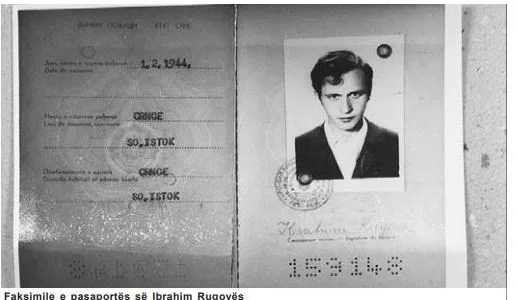
Under my scientific research, to follow closely the attitude of the Albanian state about developments in Kosovo, in 2020 I had the chance that in the archive of the Information Authority on documents of the former State Security to investigate various documents for scientific purposes, in this midst I could also read the Ibrahim Rugova file, which offers interesting data and, above all, expands the dimension of the Albanian state's interest in the profile of Albanian intellectuals from Kosovo. In this context, Rugova considers a talented scholar who did not belong to the studio Corps what contained the State Security Archive for prominent Kosovo academic Ibrahim Rugova in the Security File: The Rugova File is lacking in creativity in Albania: “Those writers have become bureaucratic. The creators are given the cliches and they work” to Albanian authors who supported the creativity of socialist reality, but that “is a supporter of the modernist power in literature, which is created in Kosovo and generally in Yugoslavia”.
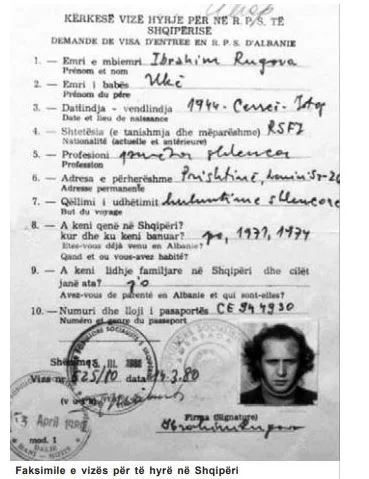
A 191.1981 document reported, among other things, that Ibrahim Rugova, who participated in the discussion about the novel that took place in 1980 by the League of Writers and Artists of Albania, has declared at an open meeting after returning to Pristina: “Now I am finally convinced that there is no freedom of creativity in Albania. Those writers have become bureaucratic. The creators are given cliches and they work”.
From the documents of former Albanian State Security it is clear that Albania's then authorities were angry and didn't like it at all because Rugova spoke to “defamatory and contempt” to the literature of socialist realism that was created back then in Albania. However, each scholar should be attentive in investigating such files, because there are names and data that often do not correspond to reality, are designed with speculation and by unaware associates.
Archives are like mining, containing a precious treasure of documents, but they must be treated professionally. Researchers find that archives are not the mausoleum of history, but a treasure of its ammunition. Good historians know not only how to process and restore documents and manuscripts, but they are also explosives experts who know exactly how to approach explosive materials. Archives enable us to know the past of past societies and regimes. The files of the former security of the Albanian state enable us to recognise the communist past and the remand of Albanian communist myths as a lesson for today's generations. The importance of dealing with the past is primarily aimed at meeting with the past. /DR. WHICH WHICH WHICH WHICH