11 minutes ago
Report: Kosovars spent 89m euros on visa Schengen
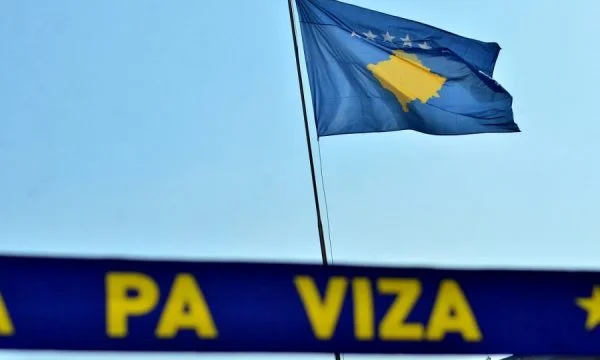
Periskopi(4 years ago)
(4 years ago)Ten years after the start of visa dialogue and four years from standards implementation, Kosovo is still awaiting a visa-free regime with the EU. There are positive signals from the EU to complete the long-term liberalisation process for Kosovo, but so far this visa regime has cost Kosovars millions [...]
There are positive signals from the EU to complete the long-term liberalisation process for Kosovo, but so far this visa regime has cost Kosovars millions of euros.
The new Balkan Group report “visa regime for Kosovo: will the EU put an end to this long agony” has revealed the numbers of Kosovo spending to equip Schengen by visa, Express reports.
From 2016 to 2021, the embassies of Schengen countries have accepted 539,344 applications. Calculating the smallest possible average, Kosovars have paid around 89 million euros in tourist visas to travel to EU countries”, the report said.
The report also estimates that this figure is extremely high for a country with a $4,986 per head GDP (2021) and an average salary of 484 $ (2021).
“However, the EU and its members are the biggest donor for Kosovo. It is noteworthy that Kosovo will benefit 63.96m EUR from IPA funds III (2021-227)”.
The following weeks are expected to be crucial for this process. With a positive decision on 13 October at the European Commission's Visa Working Group meeting, visa liberalisation for Kosovo would enter the formal approval path, which could last several months.
The Group's new report for the Balkans argues that delays on the part of the EU in the liberalisation process are entirely unwarranted.
Kosovo has continued to make additional progress in fighting organised crime and corruption, enough to convince skeptical member states”, the report said.
Visa regime has unable Kosovo companies to have equal access to their neighbours on European markets, the report says.
The Stabilisation and Association Agreement with the EU (2015) has had smaller effects on Kosovo than on other countries in the region, due not to the free movement of people. There can be no free movement of goods and services (as envisioned in the SAA) without free movement of people. Consequently, Kosovo companies, compared to the region, have always been at disadvantages and have fewer opportunities. Kosovo companies, surveyed by the Group for the Balkans, consider that the visa regime has negatively affected circulation by 15-50%”.
Therefore, says the Group for the Balkans, data and arguments presented in the report should push even more EU countries to approve visa liberalisation for Kosovo and as soon as possible.
The following are some of the findings presented in the report:
to 13.4% increase in police raids in 2021 compared to 2020;
O 75% increase in fighting organised crime groups;
O 85% increase in charges of economic crimes and corruption compared to a year ago;
O create a new tracking mechanism for high-level corruption cases and organised crime. The number of target cases increased from 31 in 2016 to 82 in 2022;
O Kosovo is ranked first in the Western Balkans by the World Law Rule Justice Report;
or improving its position in Transparency International Index with 17 countries/and second place with best scores in the Western Balkans;
Or 726 new cases with 792 persons arrested and 541 charges against 738 suspects in the field of drug prevention and combating.
Moreover, the number of asylum seekers has dropped from 4720 in 2018 to 2345 in 2021, another success indicator.