2 minutes ago
Kurti optimistic for Kosovo-Serbia agreement, after “new approach”
Periskopi(4 years ago)
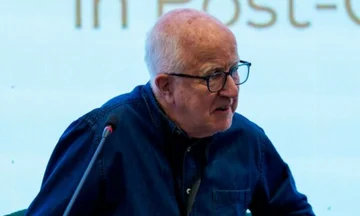
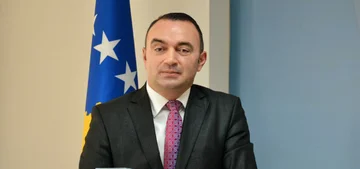
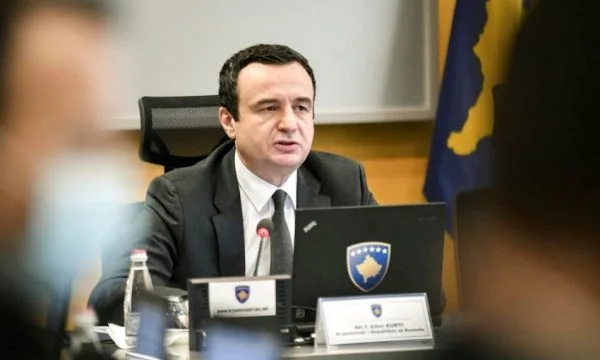
(4 years ago)Kosovo Prime Minister Albin Kurti has said on Sunday he is optimistic that a legally binding agreement with Serbia will be reached in the following months. He has made these statements under the 102nd Rose-Roth seminar of the NATO Parliamentary Assembly, which was held this time in Pristina. In discussion of [...]
He has made these statements under the 102nd Rose-Roth seminar of the NATO Parliamentary Assembly, which was held this time in Pristina.
In discussion with participants, Kurti has said that a new approach has been developed in the dialogue between Kosovo and Serbia, mediated by the European Union in Brussels, citing the overall framework of the agreement.
According to him, “dialog should not only serve for crisis management, but dialogue should be for deal”.
We have now entered a new phase, since 18 August of this year. This is the new phase because the first topic in the (European Union's chief diplomat, Josep) Borrell, in Brussels, was the overall framework of the agreement. So dialogue on the deal, we'll discuss the framework. Now I am much more optimistic, because, compared to the past, when recognition of independence was at the end of the process, and was turning this issue into motivation for procrastination of the process, now mutual recognition is not in the end, but in the heart of the” agreement.
It has not ruled out discussing other topics within the dialogue, but has insisted that the central part is “mutual recognition”.
Kosovo and Serbia have launched negotiations on normalising relations in 2011, with the European Union's mediation.
The negotiations process is expected to end with legally binding agreement.
Although Kosovo claims that this agreement should include mutual recognition, Serbia refuses, insisting on <x0 compromise resolution”.
“Western Balkans, region with many unresolved problems”
During his speech at the seminar on the topic, “Euro-Atlantic integration of the Western Balkans: prolonged challenges, new realities and future prospects”, Kurti has said this region is very vulnerable in terms of stability and security.
However, according to him, Kosovo's “Republic is very clear in its political and strategic orientation towards integration into Euro-Atlantic structures” and that the Government of Kosovo is working in approach with NATO and the European Union.
“Although Kosovo is not part of NATO, NATO is in Kosovo and we are part of each other's history, each other's current and I believe that even each other's future”.
NATO is present in Kosovo through its KFOR mission.
Authorities in Kosovo have also said in the past that they are aiming to be members of NATO's Partnership for Peace programme.
Partnership for Peace is a programme of NATO, aimed at building confidence between NATO member states and other states in Europe.
The Kosovo government has said it has only formed a working group for membership in this programme.
The United States has supported Kosovo's membership in realising this goal, though it has recalled that reconciliation of the Alliance's 30 member states is required for such a decision.
Of the 30 NATO member states, Kosovo as an independent state has recognised 26 of them, while four (Greece, Romania, Slovakia and Spain) have not yet.