14 minutes ago
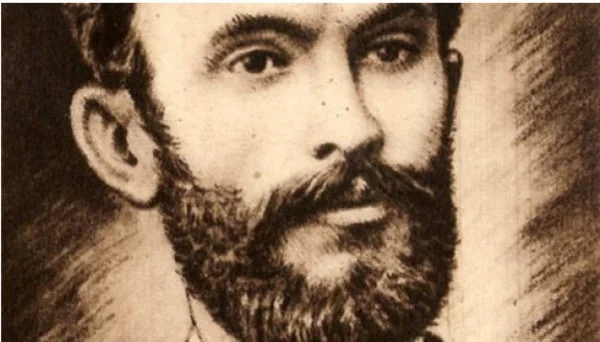
Today is the anniversary of patriot Abdel Frashire's death.
Periskopi(4 years ago)
(4 years ago)Abdel Frasher was born in 1839 in the village of Frasher, Permet, Albania, and died on October 23, 1892, in Istanbul, Turkey. He was a prominent patriot Democrat, one of the progressive idealists of the National Renaissance and one of the leading leaders of the Prizren Albanian League of People's Hero. As one of the main authors [...]
As one of the main authors of the Istanbul Central Committee's political platform, which Abdel Frasher publicly presented even on the side of articles he published on several European press organs during the spring of 1878, he actively participated in the founding of the Prizren Albanian League. After the establishment of the League, which adopted this platform, Abdel Frasher, was distinguished as leader, organiser, diplomat and activist. His main event was held especially in parts of the villa of Janina and Kosovo.
In the founding framework of the Prizren League, the chairman of its foreign affairs commission was elected. He represented Toskerina in the First District of Debar (1 November 1878), where the resolution, which was officially called on by the High Gate, was established by Albania's unified autonomous villa. He was the main organiser of the Preveza Assembly (January 1879), which managed to prevent Chameria's release in Greece's favour. In the spring of 1879, he headed the delegation of the League that visited capitals of the Great Powers to protect closely Albania's territorial integrity and autonomy rights. Abdel Frasher, was the promotor of the project that approved the Second France Assembly to form the provisional government. He also led Gjirokastra's National Assembly, which spoke of creating the autonomous Albanian state on the side of the armed movement.
Following the ban on the League, he was arrested and sentenced to death by the special Ottoman court, but the sentence was returned to life imprisonment. After serving three years in prison and in exile for 20 months, however, he was released for health reasons, but provided he gave up patriotic political activity. Though sick and isolated, he continued patriotic activity until his death in Istanbul on 23 October. His remains were brought to Tirana in 1978.