2 days ago
Scientists revive 100 million - year - old bacteria
Periskopi(5 years ago)
(5 years ago)In 2010 a team of scientists traveled to the South Pacific Circle center. The region in question is known for its calm water described in small currents that lay the junk in the center. But as the circle dog collects the junk, it remains empty of nutrients. The South Pacific Circle is the largest circle [...]
The region in question is known for its calm water described in small currents that lay the junk in the center.
But as the circle dog collects the junk, it remains empty of nutrients.
The South Pacific circle is the largest ocean circle and is considered a sea desert. Life is difficult to do in this desert region, especially in its deepest parts, Periscope reports.
Without the sun's rays that make life possible, the depth of the sea is fed by “naval waterbour” a continuous downpour of nutrients - rich particles that slide from the surface where the photocystase is possible.
The team of Japanese scientists, led by Morono Yuki, entered 6 thousand feet of ocean deep to see better than what was being collected.
It was not surprising when they received mud, mud, and bacterial cells. Surprise later came to the laboratory when they gave the bacteria little food and saw it return to life.
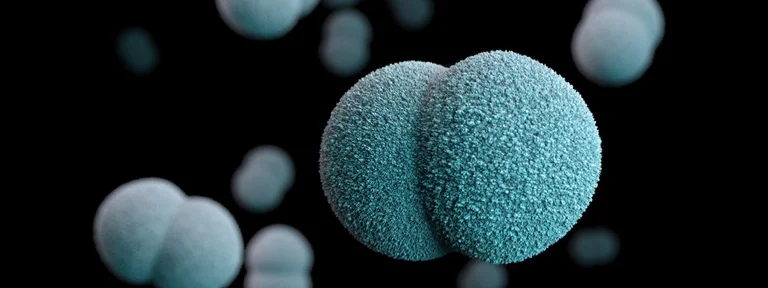
These bacteria, originally born during dinosaurs ' time, were waking up in death, reports the Universe Today. Universe today.
The team of scientists continued to feed the bacteria, and after two months, small organisms were replicated by 10,000.
But scientists could not show how these microbes survived in such a harsh environment for so long.
One theory is that germs found a form to live and replicate with little or no energy, or perhaps there are energy sources that have not yet been discovered.
This raises the hope that life forms can be found on other planets as well. /Periscope