7 minutes ago
Berlin Process, what is expected to bring the latest meeting of Chancellor Merkel with Western Balkan prime ministers
Periskopi(5 years ago)
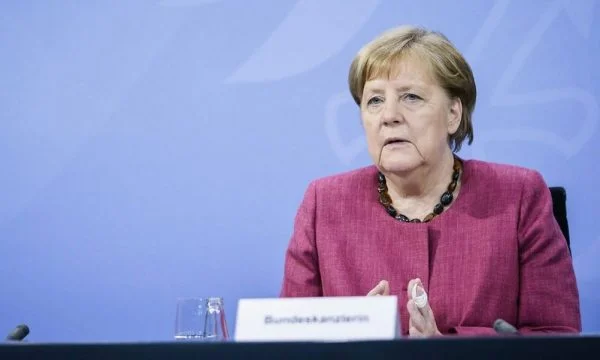
(5 years ago)On Monday, German Chancellor Angela Merkel will talk to the prime ministers of the Western Balkan countries under the Berlin Process. The first conference was held in 2014 and was named among the Chancellor's most important initiatives in foreign policy. A process that arose because [...]
A process that arose because of many blockades and reserves towards EU enlargement with Balkan countries, so it should be kept on the European road despite the resistance of some member states.
Since 2014, similar format conferences have been held each year, with representatives of the 6 Western Balkan countries, the European Commission and representatives of several member states.
After 7 years it can be said that there are not many advances, so neither is this conference expected to produce any tangible results, except to reproduce itself and once again declare support for the European path of the 7 Western Balkan countries.
High CDU officials/ The CSU has declared that the “Formati, in which the Chancellor's legacy will follow after her departure from office, autumn of this year, will be announced eventually after Merkel's meeting with her counterparts, but the message coming out of this meeting is clear: “It will re-read the perspective of the Western Balkans in the EU and confirm the continuation of the Berlin” Process.
Experts say that in the Balkans this process has no good image, many even name it just an opportunity for leaders of the region to meet with leaders of the European Union. And in the everyday lives of citizens, the tangible result has been the removal of tariffs since July 1st.
For organisers, this process has brought more. They estimate that “transport and energy infrastructure has expanded in the last seven years and has been linked to EU corridors. While the creation of the Regional Youth Office, which has brought together young people in the region, it is a future-oriented development”.
Meanwhile, there are no results in terms of the common regional market, aimed at free movement of people, goods, services and capital. A year ago the conference on this process was held in Sofia, and Chancellor Merkel called for reconciliation between Bulgaria and Northern Macedonia, which did not happen. At Monday's meeting the message is expected to be the same: Agree, this time it goes to Kosovo and Serbia. /euronews/