10 hours ago
BBC: What if Olympic athletes competed all the funk like in Ancient Greece?
Periskopi(5 years ago)
(5 years ago)* They translated with cuts from the BBC Periscope, while modern shoes and athletic garments offer benefits to racers, psychological impacts of the clothing agreement can overcome physical effects. Ancient Greek legend says that in 720 BC, an Olympic athlete named Orsippus of Megara was competing in the 185m run when [...]
While modern shoes and athletic garments offer benefits to racers, the psychological impacts of the clothing agreement can overcome physical effects.
Ancient Greek legend says that in 720 BC, an Olympic athlete named Orsippus of Megara was competing in the 185m race when his clothes were stripped off. Instead of stopping to hide his shame, Orsippus kept running and won the race. His triumphal example remained. The naked athletic race often highlighted through the olive oil line became spectacular, seen as the highest glory to Zeus.
It was the whole idea of Orsippus as heroic and victorious, and then the celebration that he was naked,” says Sarah Bond, professor of history at the University of Iowa. Greece's “The Parliament became a way of recognising their striking and citizenship. ”
By the time the modern Olympics were revived in 1896, however, cultural currents had been overthrown. The organizers neither considered the possibility of converting the Greek tradition of contestants being callous. And in modern athletic competitions, clothing plays an essential role in performance.
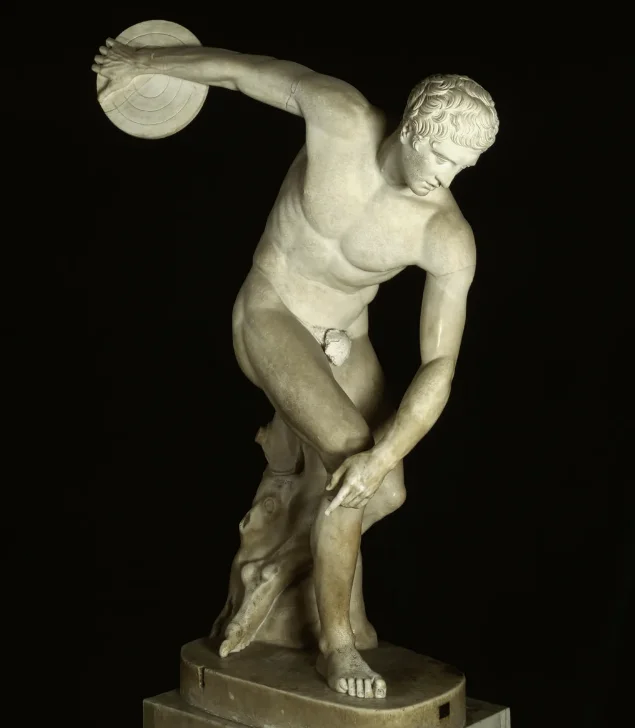
These Olympic Games in Tokyo, however, promise to be unusual in many ways, taking into account the restrictions by David-19. But what if the Games took an even more unusual step by restoring the shell of the original tradition of the Greek Games? Although no one is seriously considering this, the idea raises interesting questions about athletic performance, cultural norms, sexism, and more.
To begin with, callous racing would create logistical trouble for many athletes. While modern racers often perform their virtual naked sports some parts of clothing serve primary purposes: to keep the breasts of men's women and homosexuals in their country.
“ [Culaku man] helps with the comfort of [the racers], at least” says Shawn Deaton, director of special projects at the University of North Carolina.
On the other hand, the degree to which clothing contributes to athletic performance [in addition to comfort] is less clear. According to Olga Troynikov, professor of functional materials at the RMIT University in Melbourne.
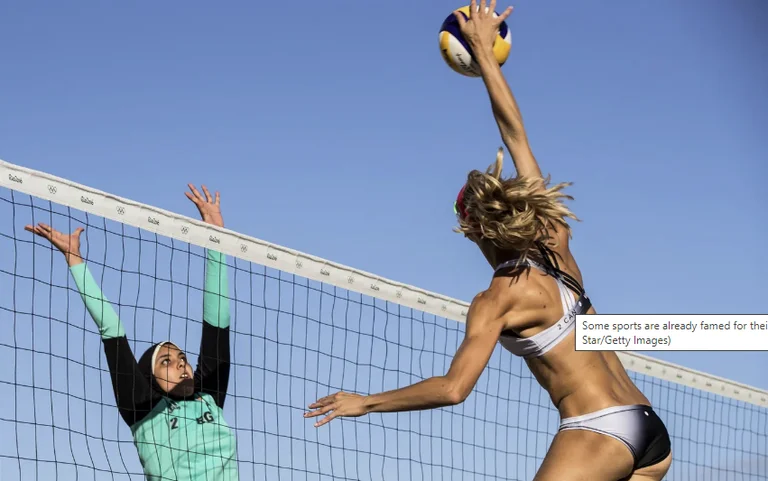
“S first,” says it, “shakes you, allowing muscle power to be more directed towards the race. ”
Soft clothes can also reduce the resistance that the body faces when it moves through air and water. For example, in addition to foot shaves, riders can also benefit from the clothing of very narrow clothes adapted to less air resistance.
In other summer sports, however, the matter of clothing is a little more complex.
The clothes that are pressed for the body, for example, are designed to change the way blood flows into the body to improve oxygen. In fact, researchers are divided by 50-50 in terms of improving performance when athletes wear these clothes.
If the sculpture were to become a permanent element at the Olympics, then in time society would return to the Greek tradition of looking at athletic slogans as heroic and festive. But this does not change over time. /Periscope