8 hours ago
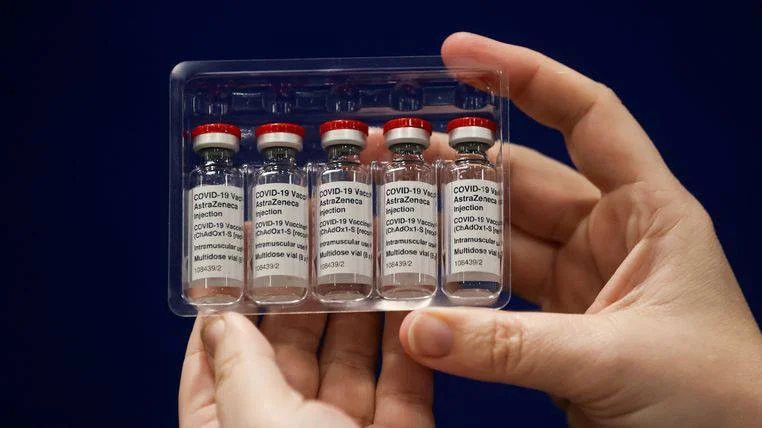
The risk of blood clotting by AstraZeneca vaccine, young people in Britain will receive another vaccine
Periskopi(5 years ago)
(5 years ago)People under the age of 30 will already be offered another alternative vaccine to AstraZeneca because of evidence linking the latter to a rare blood clot that is causing some people. That's what they said from the vaccine board in Great Britain, since a research from [...]
People under the age of 30 will already be offered another alternative vaccine to AstraZeneca because of evidence linking the latter to a rare blood clot that is causing some people.
That's what they said from the vaccine board in Great Britain, since a research by the drug regulator has found that by the end of March, 79 people in Great Britain have suffered rare blood clots after the vaccine and 19 of them have died, the Periscope broadcast.
Although this has not served as a solid proof that the vaccine had caused blood clots, another more secure alternative must have been found.
According to the drug regulator in Great Britain, the side effects of the vaccine were extremely rare and its effectiveness proved, so the benefits of taking the vaccine were still favourable to the overwhelming majority.
However, they have acknowledged that the vaccine was more balanced for young people because the risk of Covid-19 was much lower.
After the review, the Government's advisory body for vaccines JVCI recommended that people between the ages of 18 and 29 be offered an alternative vaccine where possible.
Now, those who have received the first dose of AstraZeneca vaccine should also receive the second dose, while those who have suffered blood clots after the first dose should not be vaccinated.
All too recently, the risk of inoculation exists in people with blood disorders, so they should discuss the benefits and risks of vaccination with their doctor before taking any dose of the vaccine.
Nearly two thirds of blood clotting cases have occurred in women, while people who died after the vaccine were between the ages of 18 and 79. /Periscopi