2 hours ago
Internal Political Crisis Hurts Kosovo in International Arena
Periskopi(5 years ago)
(5 years ago)Awareers of international relations in Kosovo estimate that the state has not noted major achievements in the international arena, which, according to them, is the result of internal political crises, corruption and non-consolidated diplomatic service. As a result, they estimate there is a impasse in securing new recognitions and membership in international organisations. [...]
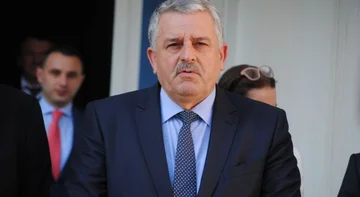
Kosovo's 13-year period as an independent state, international relations professor Africa Hoti considers a period of extraordinary opportunities but modest achievements.
“Going into elections consistently and these elections have practically held on top of the agenda only our internal policy, issues of governments, organisational issues, coalition issues and others, and in no case has the foreign policy been achieved to be positioned in the background or target of the work of the Government of Kosovo and on this basis to improve, strengthen, to the greater extent possible, our international image”, Hoti said.
Arber Fetah from the Group for Juridical and Political Studies says there is a fainting of Kosovo's positive image in the international arena.
“Since the declaration of independence in 2008 and so far we can say that we have a fainting of Kosovo's positive image in the international arena and what is a difference, especially in recent years, that we have a negative perception and a negative perception even from countries that have first taken the step to recognise Kosovo, and this has been for different reasons, among them has been internal crises, bad exposure through corruption, through negative phenomena that has caused even Kosovo's cognitive states to have a perception and a more negative approach to Kosovo neither, says Fetah.
Since the February 17th 2008 declaration of independence, Kosovo has recognised 117 states. But there are others who have later decided to suspend diplomatic relations with the state of Kosovo.
According to the international relations professor, Hoti, the issue of recognitions has remained overshadowed due to domestic political problems in Kosovo.
“Whether we have always taken, or most of the time, with ourselves, then it has been expected to be left in the shadows, not only that the number has not been added, but we are often faced with the situation when there has been a lack of co-ordination or continued contact with those countries that have known us, and as a result when we applied to certain international organizations that have recognised Kosovo in principle or that they have been neutral in the sense of voting or certain cases have voted against it, this truth shows a fragility in the sense of our foreign policy and this trend or even today's phenomenon, Hox says.
Kosovo came to recognise from the state of Israel months ago, it happened three years after failing to secure any recognition. For Fethah in recent years, it may be viewed as a very frustrating period.
“In the early years of independence we've had an influx of important recognitions, over the years we've had a good performance of the states that have recognised Kosovo, but it's been a very disappointing period, especially in recent years with very little recognition or even with what we've called in the jargon écrezije, or a ) a decomposition of diplomatic relations between the two countries, which is a bad spot for Kosovo diplomacy”, says Fetah of the Council for Jury and Political Studies.
The Republic of Kosovo has not yet secured the seat at the United Nations Organisation and does not have the full support of the European Union, since five member states continue not to recognise Kosovo citizenship even 13 years after its independence.
A country in the WTO would facilitate Kosovo's membership in other international organisations that have remained abroad as the World Trade Organisation, the World Health Organization and the Organization for Security and Co-operation in Europe.
Following a vicious campaign Serbia carried out against Kosovo, the state has failed to join even in INTERPOL and U NESTO.
For the past 13 years, Kosovo has become a member of eight international organisations, including the International Monetary Fund and the World Bank.
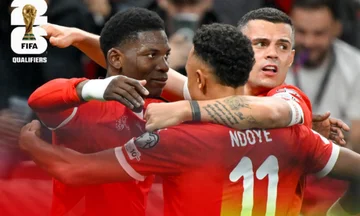
Also, the newest state in Europe was able to join FIFA, UEFA and the International Olympic Committee. Hemni and the flag of the Republic of Kosovo have been raised in the world with the successes of the World Olympic champion Majlinda Kelmendi.