3 days ago
Ford produces new electric vehicle on Volkswagen platforms
Periskopi(5 years ago)
(5 years ago)Ford has announced that it will build a new electric vehicle in Europe using the mechanical framework of Volkswagen ʹ a platform for battery vehicles and that it will spend $1 billion to rebuild a factory in Germany to produce zero-mission vehicles. Ford Europe President Stewart [...]
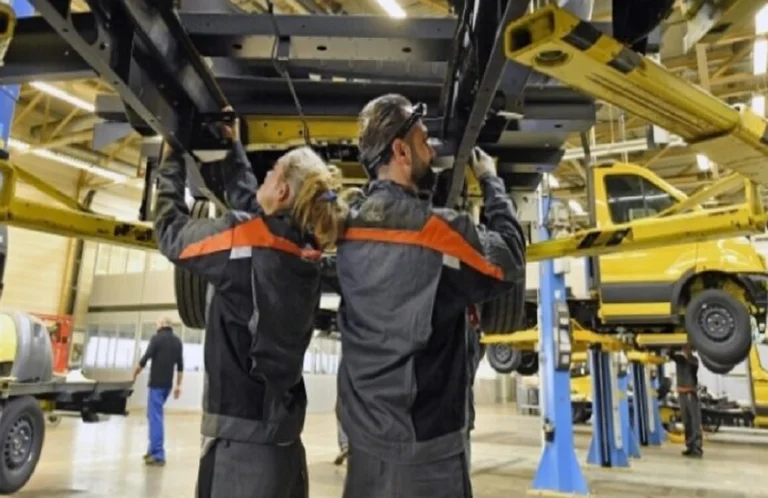
Ford's Europe president Stewart Rowley told reporters today that the factory in Kiln will build a model of the passenger electrical vehicle that would enter the market in mid-2023 and it is possible to produce another model there.
He said he was part of Ford's efforts to offer full electrical or gasoline-like versions of all passenger vehicles in Europe by 2024, all will be fully electric by 2030. The company predicts that by 2030, two thirds of the sales of its commercial vehicle in Europe will be electric or hybrid.
The Volkswagen deal, which allows the use of the mechanical framework of that German electric vehicle company known under the German MIB (sets of modular power) cut, enables Ford to benefit from the major Volkswagen investments in electric cars as the entire industry passes to zero local pollution.
Volkswagen platforms use standard mechanical bases such as batteries, wheels, and axes that can be adapted to produce various model vehicles.
Car manufacturers in Europe must sell more electric vehicles to meet new, lower carbon dioxide emissions, the main gas causing global warming. If producers do not keep the average emissions of their entire fleet below the border, they will pay huge fines. Rowley said Ford could avoid fines.
The company said trade vehicles are the key to growth and profitability in Europe, with new products and services through an alliance with Volkswagen and a joint venture between Ford and Otosan in Turkey.
The announced “Investation, which will take place by 2025, is one of Ford's most important to more than one generation and “underscores our commitment to Europe and the modern future”, Rowley said.
Ford said investment in the factory in Kiln, with more than 4,000 workers, is under way after Ford's European operations turned into profit in the fourth quarter of 2020.
This investment is part of Ford's goal of spending at least $22 billion on electric vehicles from 2016 to 2025.