9 minutes ago
Kosovo will hardly meet Green Aegean targets, European regulator says
Periskopi(5 years ago)
(5 years ago)Energy Community Secretariat Director Janez Kopac has said that in addition to Northern Macedonia, Montenegro and Albania, other Western Balkan countries will have difficulty achieving the targets set out in the European Union Green Agency (BE). Energy Community is the EU regulatory body in the field [...]
The Energy Community is the EU regulatory body in the field of energy.
“I think that success will be in northern Macedonia and Montenegro, because both countries run out of coal, while Albania will certainly manage. However, Kosovo, Bosnia and Herzegovina and Serbia, if they do not start soon with the implementation of the carbon tax, do not have the opportunity to achieve that goal by 2050”, Kopac said on November 15th.
That statement was made at an online conference at which the annual report on monitoring the implementation of European energy regulations by the signatory countries of the Energy Community Treaty was released as part of membership efforts in the European Union.
The report covers Kosovo, Bosnia and Herzegovina, Northern Macedonia, Georgia, Moldova, Montenegro, Serbia and Ukraine in the period from November 2020 to November 2021.
The EC Secretariat in its report has praised Kosovo for continuing policies leading to continued use of clean energy, emphasising the postponement of plans to build a new coal power plant.
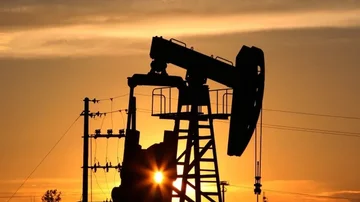
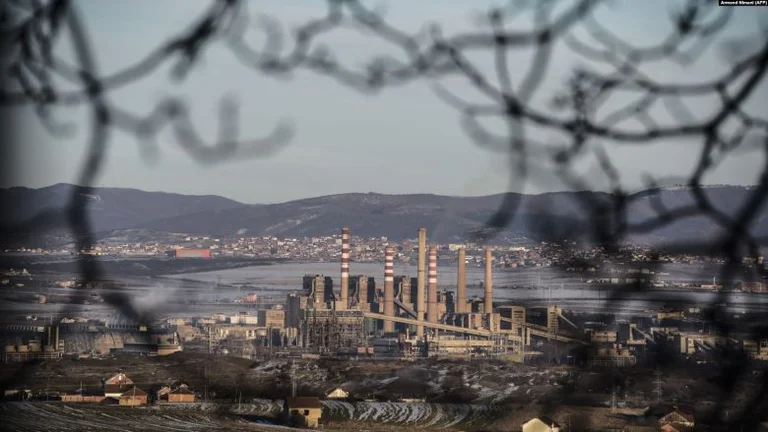
However, the report says electricity produced by the wind and the sun is still low in Kosovo. Kosovo is almost entirely dependent on two outdated lignite factories for electricity production.
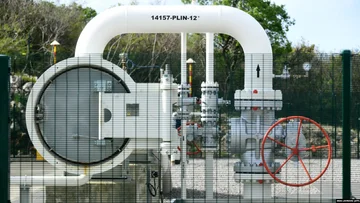
It also stresses that Kosovo is not linked to any natural gas transmission system (gas pipeline).
The energy intensity of Kosovo's economy is almost four times higher than the EU level average, the report said.
In November 2020, at a summit held in Sofia, Bulgaria, Western Balkan countries have signed the Declaration of the Green Aegean through which they have pledged that by 2050 they will complete the coal exploration process, namely cutting off electricity from coal and switching to renewable sources.
Kopac said the main challenges to the green transition of the Western Balkans are the failure to implement taxes on carbon dioxide emissions, as well as state subsidies for coal. /rel