4 hours ago
Tim Judah: Kosovo-Serbia agreement in Washington nothing surprising, re-admission of recognised issues
Periskopi(6 years ago)
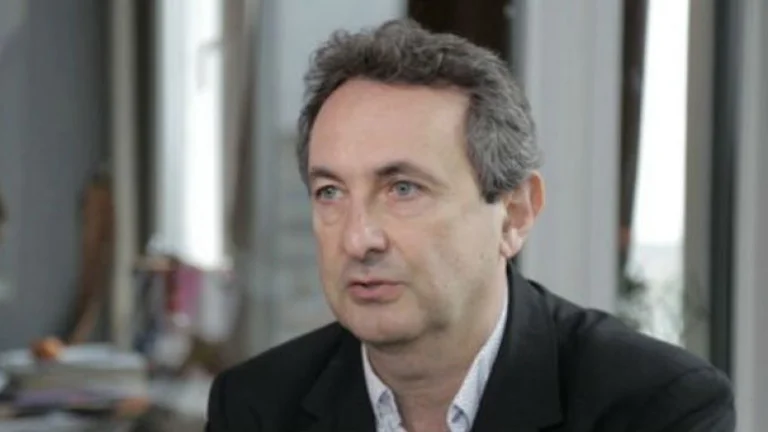
(6 years ago)Tim Judah, analyst for Balkan issues in the British magazine The Economist, says the provisions of the agreement between Kosovo and Serbia are a re-enactment to normalise relations, which we have heard many times in the past. English analyst does not believe there will be a second commitment to Washington to recognition [...]
Tim Judah, analyst for Balkan issues in the British magazine The Economist, says the provisions of the agreement between Kosovo and Serbia are a re-enactment to normalise relations, which we have heard many times in the past.
English analyst does not believe there will be a second Washington commitment to mutual recognition of Kosovo Serbia.
Top Channel: Mr. Judah, how do we view the agreement signed at the White House and who was it that could be called a victory point for Kosovo?
Tim Judah: I believe it's an unexpected agreement, and so Kosovo and Serbia have not won anything like Kosovo and Serbia have not lost something in all of this. We saw a strange mix of things because there are previously agreed points in the deal. Now we're dealing with a re-admission to normalize relations which we've heard many times in the past. Economic issues like the railway we've heard in the past. Israel's recognition, the mention of Hezbollah or the 5 G deadlock are 100 % relevant to Kosovo-Serbia relations. Maybe they're interested in Americans at a time when the parties don't sign agreements. It's all OK, but let's see what this will produce on the economic side. It's not about winners or losers.
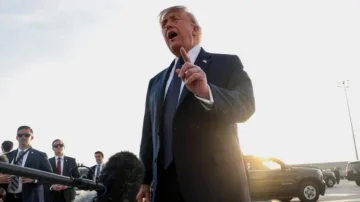
But in the long term, the deal will be forgotten and didn't make any big difference. What will be harmful to Mr. Hoti and especially to Mr. Vuciq are both motion pictures in front of Trump where they look like school boys in front of the caretaker teacher. The damage caused in their political image in long-term terms will be seen in the future.
Top Channel: What do you think is the most important point of the deal?
Tim Judah: I don't see any important points in the deal. It's just a new commitment to certain issues. While the part is completely unconnected for Kosovo-Serbia relations. They say mutual recognition of diplomas, but they have done so in the past as part of the agreement with the EU. A commitment to finding the missing. We've heard that many times in writing. We're facing a repeat of things. There's no major paperwork standing.
Top Channel: President Vuciq, during negotiations in Washington, managed to secure an agreement without mentioning the words “mutual recognition”. Was this a victory for Serbia and defeat for Kosovo?
Tim Judah: It would not be real to build any light of hope that mutual recognition would be achieved. Of course, I will not address the issue of mutual recognition. Everyone knew that. I could not understand why Prime Minister Hoti described this as the most important topic when he knew that it was not going to happen.
Top Channel: Friday's White House agreement, do you believe it could follow with another deal with the American mediator for recognising Kosovo state from Serbia?
Tim Judah: No. That's not gonna happen. The upcoming talks will be held in Brussels.
Top Channel: Do you believe that the long-standing Kosovo-Serbia disputes were used in a clever way by the Trump administration, to sell as a foreign policy achievement and to President Trump before the presidential elections?
Tim Judah: In all of this, there was a purpose and a kind of message for Evangelical voters when the Middle East was mentioned. Maybe that can make a little difference. As you saw from that famous Twitter of President Trump was seen as confusion with Kosovo, placing it as location in the Middle East. I don't know if this would convince many in the United States to change their opinion. I'm not an American election specialist they know better than me.