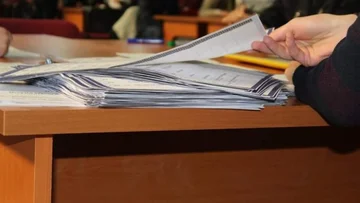
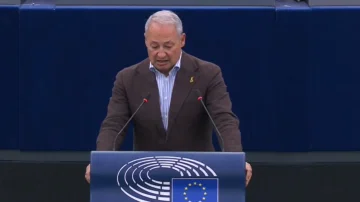
The diaspora vote count is continuing, VV achieves the 53rd term, PDK remains at 22, LDK falls to 18
 2 hours ago
 (6 years ago)
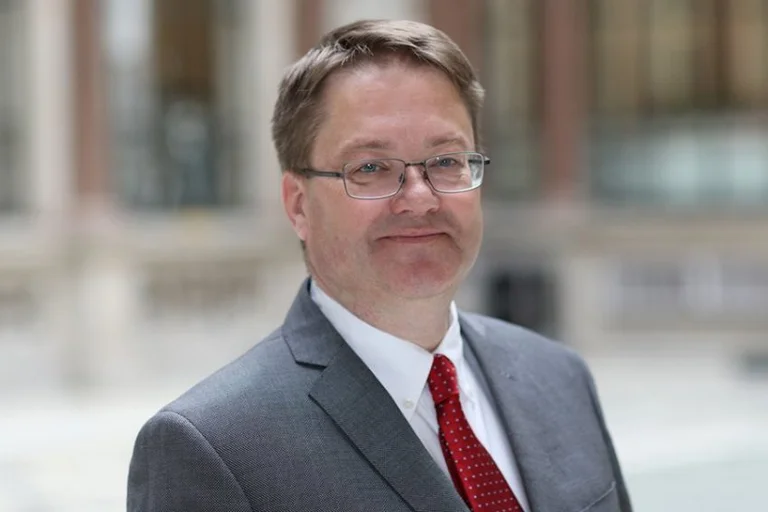
British Ambassador to Kosovo Nicholas Abbott has said he is working to eliminate negative phenomena in Kosovo. But that eventually remains with citizens themselves to hold their government responsible for these, exploiting the right to vote they have or in other democratic ways. Abbott has answered the questions posed by [...]
Abbott has answered questions posed by citizens through social networks on International Democracy Day.
We regularly speak against misuse, crime, corruption and nepotism in Kosovo. And we are working hard in Kosovo to eliminate these harmful phenomena. For example, through the Recruitment Project, we are helping to promote commitment through meritocracy in high positions in the public sector, so that there is less room for corrupt engagement or nepotism processes, and that better people have the right work and are able to develop Kosovo for the benefit of all people. But in democracy, politicians who have the power to address these problems should eventually be accountable to you, before man, not to foreign embassies. We are your friends, and we will continue to work hard with Kosovo and partners, but only Kosovo voters have the democratic power to seek real change. Democracy can work anywhere. Kosovo is a democracy. There is a constitution that defines the rights and responsibilities of state institutions and positions. Kosovo holds parliamentary elections, has free media and public debates are held. At the same time, Kosovo is a new democracy, and it takes time to form democratic habits. You must hold politicians and institutions responsible, not only through your vote in the elections, but all the time. Kosovo's democracy could become more mature and reactive. I hope this can happen soon, as the electorate is getting younger and young people expect more and more from democratic representatives”, Abbott said.
He has also spoken of the isolation of Kosovo citizens and has also answered questions concerning the Association of Serbian municipalities, as well as added that the final agreement between Kosovo and Serbia should be with mutual recognition.
I would like to see Kosovars travel more freely in the region and the world than they can do now. But it remains in your elected democratic government and politicians to ensure that Kosovo addresses issues that prevent such movement, and to lobbie and convince other governments to ease visa requirements. The final agreement between Kosovo and Serbia, which we expect to lead to mutual recognition, should be acceptable to the people of the two countries. In Kosovo, it takes the majority in the Assembly to approve such an international agreement. I believe that Kosovo Serbs' rights should be respected in Kosovo, as an example through provisions in the Constitution that ensure they have 10 deputies of Serb communities in parliament. But in democracy, there is always more work to ensure the human rights of all ethnic groups. All municipalities in Kosovo have the right to join Association despite ethnic composition. The 2013 agreement of the Serbian Major Community Association has not been implemented because of the Constitutional Court. With the new dialogue between Kosovo and Serbia, we hope to see progress on this important topic”, Abbott has said.
 4 hours ago

 6 hours ago