2 minutes ago
E SUCCESS: The law of Islam saves many Pakistanis from death the cause of Coronavirus
Periskopi(6 years ago)
(6 years ago)While Pakistan has imposed strict social distance measures to fight the Coronavirus, a Muslim law on generosity is helping save the working people. Outside shops in Karachi, an amazing scene has developed in the past two years. Instead of rushing into their homes after buying [...]
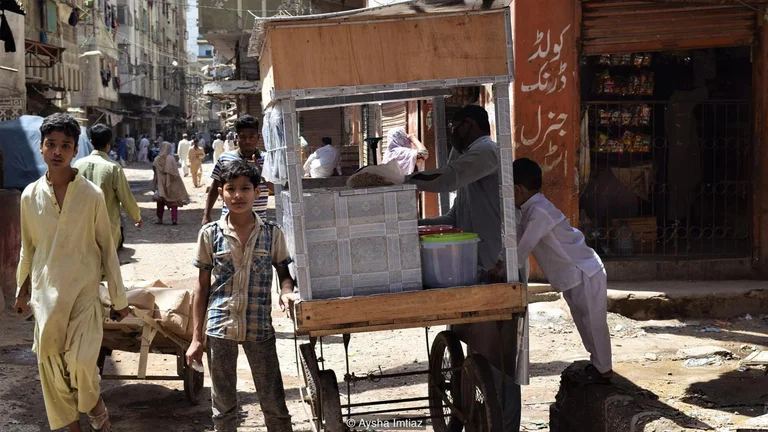
Outside shops in Karachi, an amazing scene has developed in the past two years. Instead of rushing into their homes after purchases were made so as not to be exposed to the coronary, many Pakistanis stop out and offer food, money, and other charities to many people left on the street.
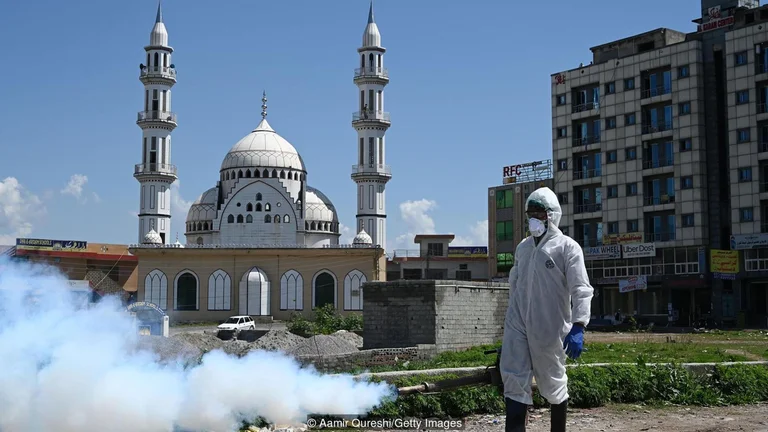
Like many of the overland countries, Pakistan has imposed strict housekeeping measures, closing schools and public gatherings, and has forced the ban on the work of many businesses that do not sell food or medicines, the BBC writes.
But in contrast to other countries that have similar stock measures, the effects of long quarantine here can have far more severe ʹ and potentially fatal economic consequences.
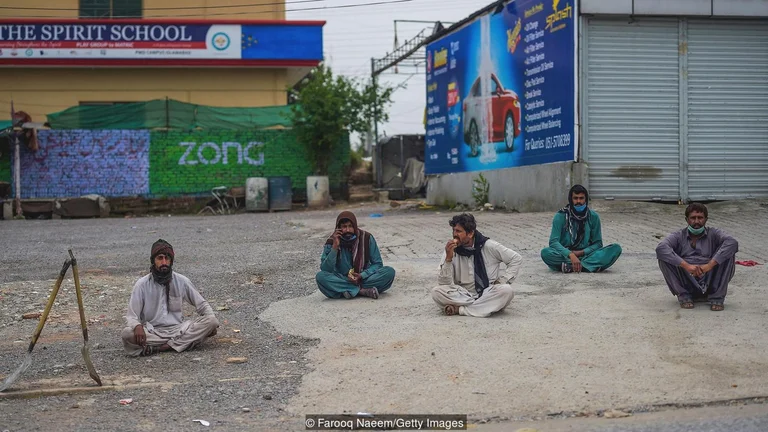
In a recent address to the Coronavirus, Pakistani Prime Minister Imran Khan stressed that “25 percent of the Pakistanis could not eat twice a day.” While the country was taking heavy measures and forcing people to stay in their homes, many manual workers and other workers who are paid for every day they are now hungry and free.
In the same television address, Khan summed up Pakistan's harsh reality: “If we shut down the cities... we save them from Corleone on one side, but on the other they will die of starvation... Pakistan does not have the conditions that exist in the US or Europe. Our country has extreme poverty. ”
But there is also hope.
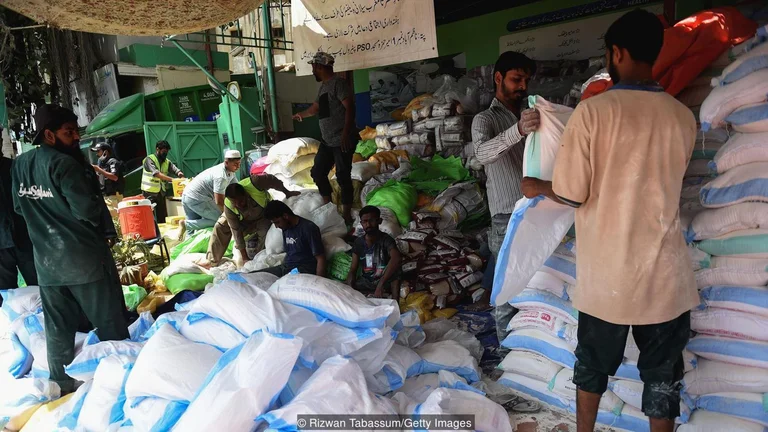
Among the pandemic, the Pakistanis came together to help the poorest in a unique and inspiring way. In particular, many people are offering lily, a traditional charity tax in Islam, for these unfortunate workers who were paid on daily basis, and who have been left to work for these measures.
From Arabic “zakati” is translated into “that cleans”, and according to the Five Columns of Islam, it is one of the most important obligations for Muslims.
“Zachat removes dirt from wealth. I'm responsible if any of my neighbors go to bed hungry.” Says a Pakistani doctor, Dr. Khan. /Periscope