3 minutes ago
With or without tax, businesses hesitate to return to Serbia's market
Periskopi(6 years ago)
(6 years ago)Representatives of producing and importing goods businesses in Kosovo say Prime Minister Albin Kurti and Kosovo's new government should reflect on the frequent demands of the United States of America on the issue of customs duties to Serbia and Bosnia and Herzegovina. According to them, the government must make a decision, though from [...]
According to them, the government must make a decision, although since establishing customs duties by the government last November 2018, they say they have already found new markets to continue their business activities.
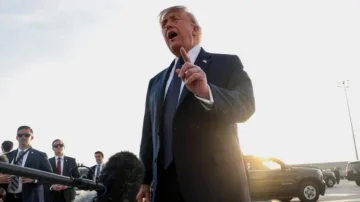
White House envoy for Kosovo-Serbia dialogue, Ambassador Richard Green, has reiterated Tuesday that the 100 per cent tax on imports from Serbia It has to be removed. so that investments can be run.
Customs tax 100 per cent for imports from Serbia and Bosnia and Herzegovina was imposed at the end of 2018 by the past government, but this tax is currently being considered by Prime Minister Albin Kurti's new government, with the aim of being replaced by full political, economic and trade reciprocity towards Serbia.
The production industry sector, according to the executive director of the Club of Producers, Astrit Panja, is the largest tax beneficiary of 100 percent.
He told Radio Free Europe that since tax is imposed, production companies have reported that has increased capacityThey have expanded their activities and increased the number of workers.
Meanwhile, from repeated demands from the United States America's tax waiver Panja says that before any decision is made, the Government of Kosovo should consult production companies as well.
This decision is in the hands of the Government of Kosovo. We encourage Kosovo Prime Minister Albin Kurti to consult that first with the production sector on whatever decision will be made because this decision will have economic implications for the production sector”, Panja points out.
The Kosovo Oil Association, despite the difficulties of finding new products import markets, had supported the introduction of a 100 per cent tax by the previous government.
Fadil Berjan, chairman of this association in a conversation for Radio Free Europe, says that following US and EU pressures, the government now has to decide on the removal of the tax, as he says, oil derivative companies are already comfortable with the new markets.
For the tax to be removed... this is the position of the Oil Association even if the heel is removed there will be no import from Serbia”, Berjan said.
According to Berjan, during a day in Kosovo from countries in the region, up to 70 Autobots were introduced with oil derivatives.
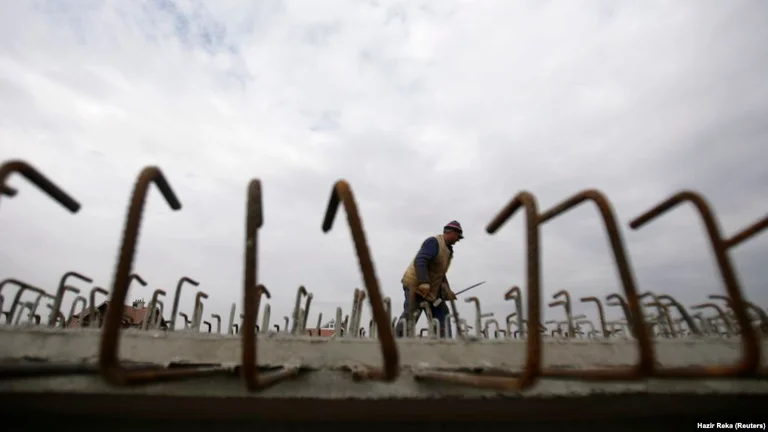
Another sector that was initially affected by taxes is construction. But in time this sector has also replaced Serbia's products with products from other countries in the region, but also local products.
Brahim Selimaj from the Kosovo Construction Association tells Radio Free Europe that the tax should be suspended.
The manufacturer is already conscious, only in case he doesn't find the next altareer returns to Serbia's market. In my opinion, because of friendship with the US, insisting there is no other measure towards Serbia (reciprocity), better suspend the tax for a three-month period, and then establish reciprocity”, Selimaj points out.
On the other hand, Astrit Panja, from the Kosovo Producers Club, considers that Kosovo's internal market must first be regulated, so that it is not allowed to import products at cheaper prices from the countries of the region, and then make a decision.
“We cannot comment on the political aspect, but if the tariff is decided to withdraw, we demand that Kosovo's internal market be adjusted. No longer have Serbia's products coming and sold on the Kosovo market under the cost of production, which comes in the form of damiping”, he says.
Since the introduction of a 100 percent tax on products imported from Serbia and Bosnia and Herzegovina, imports from these countries have dropped by 99 percent.
Before the customs tax was imposed, Serbia was the biggest exporter of products in Kosovo. This state, before November 21st, of 2018 when taxes were imposed 100 per cent during one day has exported goods worth about 1.2m euros or about 450m euros in one year to Kosovo.
The government, led at the time by former Prime Minister Ramush Haradinaj, imposed the tax on Serbian goods, due to Serbia's aggressive <x0-fushare against Kosovo's citizenship, and lobbies against its membership in international organisation”.
Belgrade immediately suspended turnout in talks on normalising reports with Kosovo, mediated by the European Union.
The new government of Kosovo, Prime Minister Albin Kurti, has received US and EU support for the removal of a 100 per cent tax on imports from Serbia, but this support has lacked in the promotional attempt to replace the tax with setting the measure of full reciprocity against Serbia.