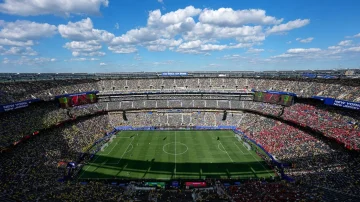
The diaspora vote count is continuing, VV achieves the 53rd term, PDK remains at 22, LDK falls to 18
 6 hours ago
 (6 years ago)
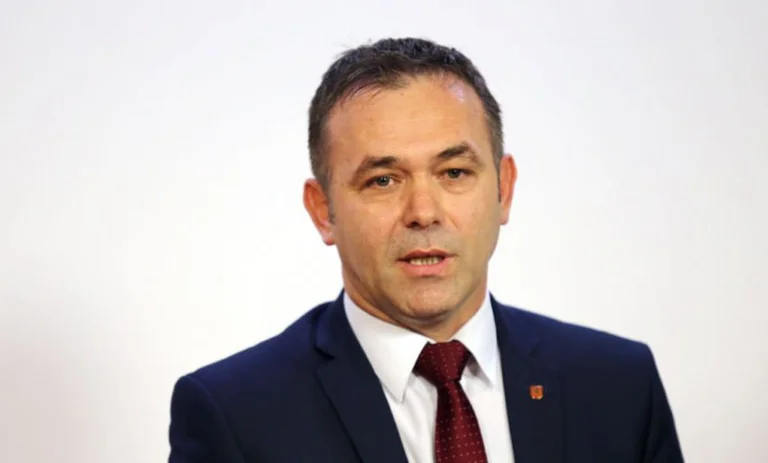
Vetevendosje Movement Parliamentary Group chief Rexhep Selimi says he supports Prime Minister Albin Kurti's stances to replace the mass reciprocity tax with Serbia. Selimi says that as the Parliamentary Group will support in the full the positions of Kurti Government, as he believes it is a project that deserves support even of the opposition. “We [...]
Vetevendosje Movement Parliamentary Group chief Rexhep Selimi says he supports Prime Minister Albin Kurti's stances to replace the mass reciprocity tax with Serbia.
Selimi says that as the Parliamentary Group will support in the full the positions of Kurti Government, as he believes it is a project that deserves support even of the opposition.
“We in the Kosovo parliament, are already majority and will be in favour of the Kurti government. I'm pretty sure we won't need to criticize him if he needs to, but we won't. Because the government Kurti is now a project that requires not only support of the majority, but I believe will also adopt opposition support. In the project, which will be brought to the Kosovo Assembly, but we will be willing to support the project, which is already known as”, Selimi tells EO.
The VV's chief of deputies, says reciprocity is the imminent request of the Vetevendosje Movement, and says it has once protested even at the Merdara and Dehu White border points.
The Vetevendosje Movement Parliamentary Group will support the Kurti government, even in attitudes regarding tax or the replacement of the tax with reciprocity measures with Serbia. So the tax on Serbian goods will be replaced by, which falls even on the political level with reciprocity measures that we've had for years and years, or since it's this issue of discussion which we've supported and with our concrete activity, including in the assembly until protests at the border. You may recall the protests at the White People's and the Merdares so the attitude we've had in Serbian goods at the time we have, even now, because we have to implement reciprocity measures, on the economic, political level”, he says.
In addition to the economic effect, Selimi says reciprocity will have political effect and that Kosovo will score progress in its relationship with Serbia.
“Reciprocity will have a political effect beyond the tax-related trade effect. We have never said that tax is bad even reciprocity may involve tariff measures in similar cases. So I think it's a progression of Kosovo's report to Serbia on the political level as well as on the political level if we implement reciprocity measures on the political, economic and trade plains, whether through a tax, if it's trading or similar,”, he says.
Selimi says reciprocity does not pave the way for Serbian products, while he says the people are already aware of Serbian goods, which should no longer be consumed.
He says that taxes are not enough, but multidisciplinary measures are needed, such as full reciprocity.
“does not mean that reciprocity paves the way for Kosovo market to be conquered. Kosovo's market is not protected by just one measure, but with multidisciplinary measures and these measures we can only have in comprehensive policies, which in this case is reciprocity. Serbian goods should neither be accepted in our homes nor bought. Kosovo's government should have safeguard clauses for the local producer for the Kosovo market. If measures are taken for the local producer then Serbian goods will not enter Kosovo”, he says.
Selimi also spoke of the Special Court, which he says VV has been against establishing it, while already adds it is late to be abolished, as constitutional changes must be made.
The VV stand for the Special Court is the same as we had at the time we opposed it and it is an injustice to the fair fight of the Kosovo Albanian people for freedom or the Kosovo Liberation Army. Since it has been voted and we have persistently rejected it, it has received more than two-thirds of the Kosovo parliament's votes. Now it is the law of Kosovo and is part of the Constitution, and we know what the capacities and possibilities are when constitutional changes are known to be required a double majority. So right now we haven't been able to de-fact the realisation of this thing, so we're in a difficult phase because those who voted it were hard.
The “those who have voted it have known that in a political way it is difficult to change, so we have at present brought us into an irreversible situation as far as this report is concerned, however our positions for the Special Court are the same as on the day of the vote, as we rejected it, then think we have done well by rejecting it as an injustice to the fair war of the Kosovo Liberation Army<1>, he concluded.
 8 hours ago

 10 hours ago