5 hours ago
Removing tax 100%: This is the ridiculous value of the trade benefits Kosovo will have
Periskopi(6 years ago)
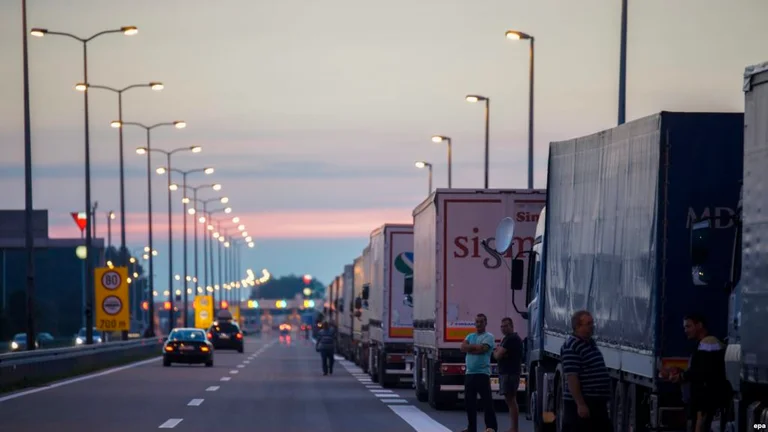
(6 years ago)Kosovo's prime minister has already decided to lift the [tax] fee 100% towards goods imported from Serbia. At the end of 2018, many people were surprised when then Prime Minister Ramush Haradinaj imposed a 100 per cent fee on goods imported from Serbia despite international pressures against one [...]
At the end of 2018, many people were surprised when then Prime Minister Ramush Haradinaj imposed a 100 per cent fee on goods imported from Serbia despite international pressures against that.
But this move had taken place since Kosovo was in a full diplomatic defansive. As a result of the aggressive campaign by Serbian Foreign Policy, Kosovo was being drawn to many recognitions from different parts of the world, as well as the state remained without membership in important international organisations such as Majsco and Interpol.
Haradinaj did not remove the fee in question, and because of international pressure he resigned on July 19th last year.
But the most monumental policy of his government is expected to be destroyed by the new prime minister, Albin Kurti, writes Periscopi.
He stated that the 100% customs fee would replace it with full trade, economic and political reciprocity, even though Kosovo was neither recognised by Serbia nor promised to stop the aggressive political campaign.
But how did things stand in the trade report with Serbia before the tax was imposed?
Truth is so sad. Kosovo exported goods to Serbia worth 48m and 246 thousand euros in 2017.

COSOVE EXPORITY CEFTAS LANDS
Meanwhile, on the other hand, Serbia exported goods worth 449m euros in the same year to Kosovo.

COSOVA IMPORY FROM V ENDET CEFTAS
Compared to 2005, from which the extension of ASC statistics begins, Serbia's exports to Kosovo had tripled, and the trend continued to be positive.
Seeing the serious political consequences of the tax from Mr. Kurti, neither economic goods are expected to be great.
In fact, Kosovo's export to Serbia is not expected to mark drastic growth due to weak capacities of the country's production economy. /Periscope