4 days ago
Dutch engineer: To reduce road accidents, signs and signals must be removed
Periskopi(6 years ago)
(6 years ago)When you treat people like fools, they'll even act like fools.” This was the philosophy of Hans Monderman, the Dutch road engineer who became famous, not for the signs of the road he designed and for urban planning, but for the ones he removed - sidewalks, traffic signals, other signs. He believed the drivers [...]
When you treat people like fools, they'll even act like fools. ”
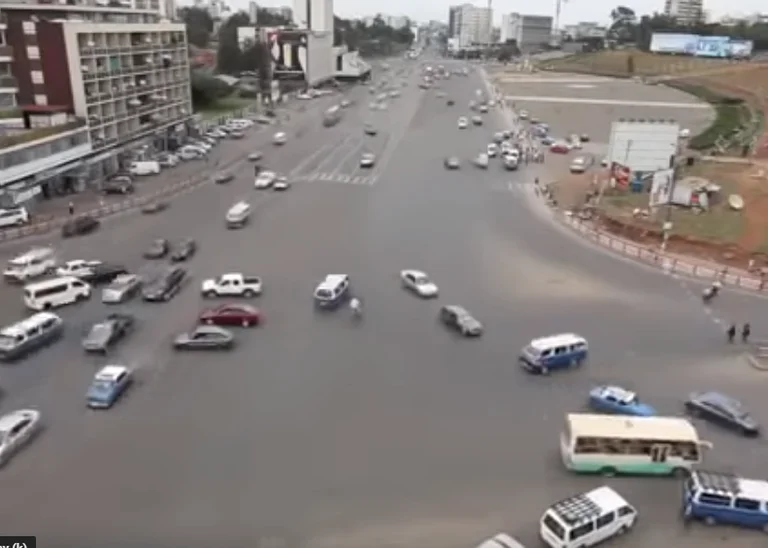
This was the philosophy of Hans Monderman, the Dutch road engineer who became famous, not for the signs of the road he designed and for urban planning, but for the ones he removed - sidewalks, traffic signals, other signs. He believed that drivers became more attentive when there was more uncertainty on the street.
The problem with traffic engineers is that when there is a problem on the road, they just try to add something,” says Modeman. For me, it's best to remove some things. ”
Monderman philosophy, known as “space shared together”, has been implemented in various cities of the world. And it looks like it's working. Instead of causing chaos and traffic between cars, the removal of red lights reduced accidents by 35 percent.
The key to his philosophy is not mere anarchy but more the meaning of behavior.
In the mid - 1980 ' s, Monderman, then regional security inspector, had been sent to the small village of Odehaske to see what could be done for the speed of cars, and weeks later a car had hit two children and drowned them.
Although the common options at the time included putting speed signs on that road, and more signals, Modman suggested that Odehaske become more like a village.
All the signs had been removed, the asphalt had been removed to replace with bricks, and the road seemed narrower. And the results had been amazing, the drivers had driven slower, even slower, than the Modman radar could record their speed. /Periscope