The diaspora vote count is continuing, VV achieves the 53rd term, PDK remains at 22, LDK falls to 18
 7 hours ago
 (6 years ago)
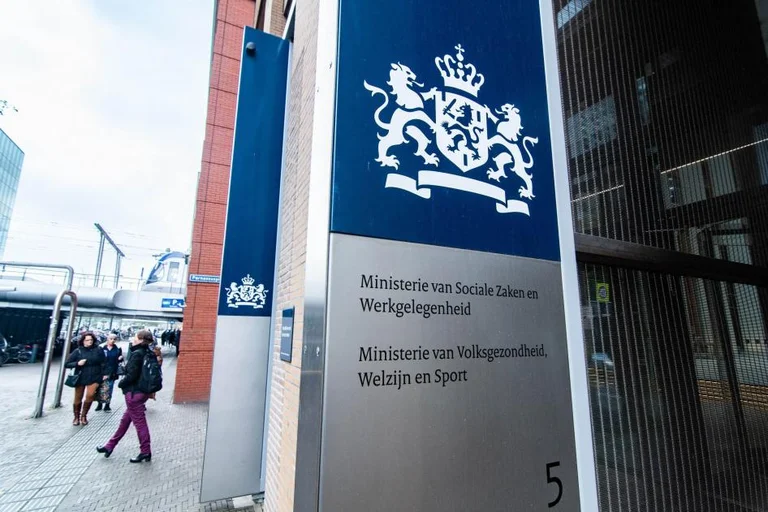
A Dutch court has ordered an immediate halt to the automatic surveillance system to detect welfare fraud because it violates human rights in a trial that is expected to affect other countries besides the Netherlands. The case was seen as an important legal challenge of controvers use, but adults [...]
The case was seen as an important legal challenge of controvers use but increased by governments around the world of artificial intelligence. [ Footnote] He] and risks modeling in managing welfare benefits and other essential services.
Activists say that “these digital welfare states” developed often without any consultations, and secretly operated, and without adequate supervision, they have been spying on the poor, breaking rates of privacy and human rights.
They also unjustly penalised the country's most oppressed people, writes The Guardian, translates Periscope.
The UN special rapporteur on extreme poverty and human rights, Philip Alston, has welcomed the verdict, saying it was a <x0) clear victory for all those who have been rightly concerned about serious threats presenting digital welfare systems for human rights”.
Situated mainly in the slums of poor people, robots collected government data, such as employment, benefits, and records of personal debt, further education and the history of settlements, to analyze them later using a secret algorithm to identify which individuals could pose more risks in causing profitable fraud. /Periscope

 9 hours ago


 10 hours ago