7 hours ago
Research of the Belgrade Centre: Serbs don't want marriage with Albanians, want Kosovo to return to Serbia
Periskopi(6 years ago)
(6 years ago)According to research by the Belgrade Centre for Security Policy, 80 per cent of Serbs oppose Kosovo recognition, half of them want Serbia to retake Kosovo, while 77% refused to have Albanians held positions in Serbia, and for Serbs to marry Albanians. Belgrade Centre for Security Policy (Belgrad Centre for [...]
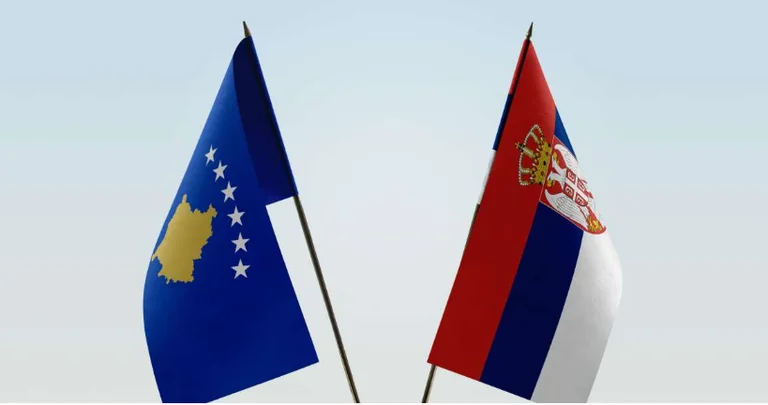
According to research by the Belgrade Centre for Security Policy, 80 per cent of Serbs oppose Kosovo recognition, half of them want Serbia to retake Kosovo, while 77% refused to have Albanians held positions in Serbia, and for Serbs to marry Albanians.
The Belgrade Centre for Security Policy (Belgrad Centre for Security Policy), an independent Serbian think-tank, in November has done a detailed research on the opinion of Serbian citizens for dialogue between the Belgrade and Pristina authorities, but also their attitudes towards Albanians as a people.
Suppose, in question of what is the purpose of Serbia's dialogue with Kosovo, 51% of the residents are declared not to have that goal clear, 21% maintain that the goal of this dialogue is to turn Kosovo back under Serbia's jurisdiction, 10% to resolve this problem peacefully (reports between Serbia and Kosovo), etc.
In the next question involving the territorial exchange option (as well as Serbia gets a part of northern Kosovo, while Kosovo would take over the Presevo Valley), an absolute majority of residents, or 85.5%, have strongly rejected this model of reaching the agreement between Serbia and Kosovo.
In the next question dedicated to the possibility of recognising Kosovo (as a state), on the part of Serbia, if Serbia would receive a compensation from Republika Srpska (Bosnia and Herzegovina), 80% of the residents have expressed themselves against such an opportunity.
Nor creating an Association. The municipality of Serb-run predominantly populated municipalities, to the citizens of Serbia who have been part of this political pulse issue made by the Belgrade Centre for Security Policy, is not seen as one against the possible value of making recognition of Kosovo's independence by official Belgrade. Only 29% of residents would support this solution in talks between the top Belgrade and Pristina authorities.
Kosovo's eventual recognition of the state, according to 40% of residents, would not bring about improved life for them (in the assumption that Serbia will become an EU member, because it is known that the agreement for normalising relations between Kosovo and Serbia is a condition that Serbia becomes part of the EU), while 25% say recognition of Kosovo would affect the loss of their identity, and 20% would feel humiliated in that case.
In another question corresponding to the finals of this dialogue, it turns out that half of the residents think that it would best be if Serbia re-established judicial and political control over Kosovo, granting broad autonomy to Kosovo. But, on the other hand, no less than 77% of the residents would accept that Kosovo Albanians have any position in Serbia's central power.
At the same time, in this ethnic report between Serbs and Albanians, the same number, or 77%, who were part of this public opinion research, would not like marriage with Albanians, while two-thirds (more precisely, 68%), would not bear working to be an Albanian subordinate, while 73% would not prefer that Albanian be an educator of their children in one school.
On the other hand, over two-thirds (or 67%) of the residents would have nothing against whether Albanians would live in Serbia. But, according to previous answers, it turns out that these Albanians, should not exercise any important public position in Serbia, should not have any communication with Serbian citizens, nor should they have any important role in Serbian politics and society.
In general, this research by the Belgrade Centre for Security Policy shows us an average and predominantly problematic opinion of both the dialogue between representatives of Pristina and Belgrade, as well as when it comes to reports between Serbs and Albanians.
These results confirm that Serbia's official policy -- which, above all personified with Serbia's president's figure, Aleksandar Vuciqi -- has completely failed to prepare its opinion on both the eventual agreement of Serbia and Kosovo on normalising relations and possible reconciliation between Serbs and Albanians as two peoples. /Kankosova