20 minutes ago
Haliti for excavations in Kizevac: Victims were carried in a truck and buried in four meters of water
Periskopi(6 years ago)
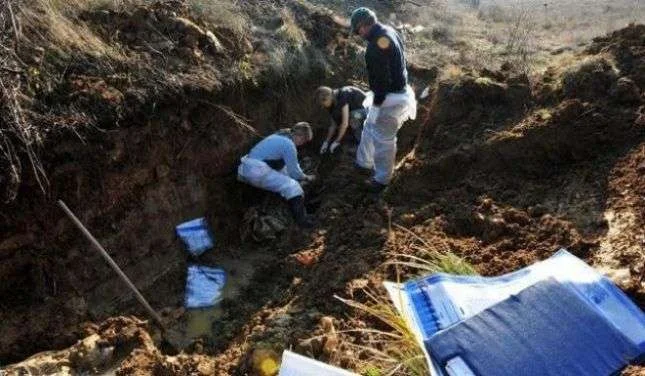
(6 years ago)Antrologist at the Institute of Legal Medicine, Ditor Haliti, has provided additional details about the excavations that were made at Kizhevac, Raska, in Serbia, where morto remains that are of Kosovo Albanians were found. Haliti, who was part of the Kosovo delegation at the dig, has said that from information the victims have carried with [...]
Haliti, who was part of the Kosovo delegation at the dig, has said that from information the victims have been carrying in a truck near a mine in Kizevac and buried there.
We started digging in 2015, we worked in the fall and the spring until yesterday we encountered mortar waste, it was the third week of work we came up with the remains of”.
We had the “Informs from the witness where the remains were, but it passed over time and the witness did not know exactly where the remains could be. It is a mountainous terrain that is a nearby mine where it has been worked until 2000, where various remains, such as stones and”, are dumped.
“According to the information we have the victims were carried in a truck and I believe they were given orders by then authorities to be fired into that mine and buried there”, Haliti said.
Haliti at the special edition in the Kosova Clan, among other things, indicated that they do not yet know how many troops they can be.
“are buried in about four meters of depth, and we still do not know exactly how many bodies they are. There was a pit that was dug during the work and covered with soil around the” mine.
Haliti said there are doubts the victims may be from the Rezalla massacre.
“There are several suspicions that Kizevac has a connection with Rudnica that completed the excavations in 2014, some of the victims in the Rezalla are missing may suspect that some of the victims will be found in Kizevac”.
Haliti stressed that as a delegation, they have expressed readiness for continued work.
“Work immediately shuts down as bone waste is found, Serbia's prosecution already gives the Court the mandate to decide about the works”.
We have expressed readiness to proceed immediately with field work, but this is not the competence of our”.
Haliti, among other things, talked about identifying the victims.
The more identification time passes, but in the sense of analysis of waste is acceptable 20 years. The remains must be cleaned up, clothes must be removed and then taken bone samples that will be sent to the International Committee for Undiscovered, where the blood samples of family members of the missing” are included, Haliti said.