The diaspora vote count is continuing, VV achieves the 53rd term, PDK remains at 22, LDK falls to 18
 3 hours ago
 (6 years ago)
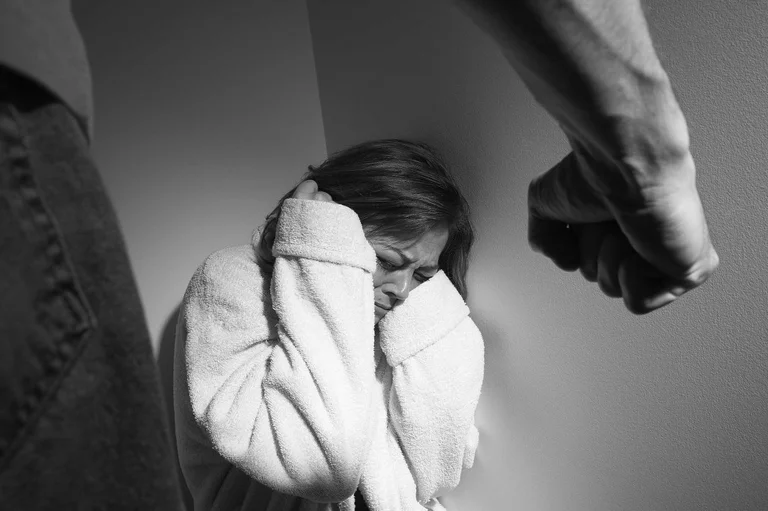
Kosovo's Housing Centres provide essential living services for women and girls who have experienced domestic violence. The survivors of violence, including children, can take refuge in these centers. In addition to basic living conditions, women are offered psychological and emotional support, empowerment programs are made toward one [...]
Kosovo's Housing Centres provide essential living services for women and girls who have experienced domestic violence. The survivors of violence, including children, can take refuge in these centers.
In addition to basic living conditions, women are offered psychological and emotional support, empowerment programs are made to an independent life, and there are services that offer to address domestic and gender violence.
According to the Un Women housing organisation, the capacities have the capacity to secure a range of defence and support services needed to help survivors and those at risk of violence to avoid future abuses.
The housing can also contribute to increased awareness and social change as part of broader efforts to prevent violence against women and girls altogether.
It's the Women's Peace Center in Pec, which has been performing these services for over 20 years.
Ardita Ramizi Bala, director of this centre that shows that currently within the centre there are eight persons sheltered, four women and four children. Her need for housing is due to violence against women and girls, including domestic violence.
But even in spite of their efforts to offer a better life to the shelters, the center faces various hardships.
The hard-on-worker is also not financial support. The Ministry of Labour and Social Management supported Kosovo's accommodations. This year the contract is 11 months and ends in December 2020 and we will have many difficulties offering housing services without financial support in 2021x1>, Bala said.
She added that the next challenge for this centre has been the confronting of the COVID-19 pandemic.
The 24-hour work has been the biggest challenge during the pandemic, the isolation of women, rooms, the online delivery of instruction for the hosted children, the fear of the virus having no more information about the consequences and symptoms, etc. Women have had numerous requests from housing, legal assistance, food aid, and hygiene. After you've been banned from work during the pandemic, self-invisibility mothers have had problems buying food and the necessities for their children. We have helped you with food and hygienic packages”, said the director of the Women's Goodness Centre in Pec.
While the pandemic was problematic for these shelter centers, the director of the Women's and Children's Protection Center, Zana Aslan, also confirms.
According to her, domestic violence has increased because of the quarantine of people during the pandemic.
The extent of domestic violence cases that sought refuge in our shelter was most pronounced during June and July months. Immediately after the new measures for release from quarantine at the Center of Students, the added requirement was consultation through social networks and my contact number. The cases requiring consultation in various forms were due to isolation and fear of seeking housing in pandemic times, due to the possibility of infection with COVID-19”, Aslan said.
According to the director of this center, moving away from their former object during the pandemic was another challenge for them. This transition which was temporary took place in the time of the pandemic.
Even in the study conducted by the European Institute for Gender Equality, it has resulted that due to “aging” due to COVID-19, cases of domestic violence have increased. And they have not even been able to turn to certain institutions for help.
And sociologist Besim Golopen has said that the reason for such a phenomenon is because of social anxiety, which has affected the deterioration of family reports.
But he mentions a series of reasons for violence against women.
“Visions towards women occur as a result of male weak emancipation, low level of consciousness and their traumatic experiences from childhood. Also, the lack of equal access to women at work, the family legacy is another factor that positions men in a more advanced position and gives themselves the right to aggressive behavior against women” Golopen said.
According to Kosovo Police data, only in the first part of this year have more than 1,300 reported cases of violence against women.
 5 hours ago

 7 hours ago