5 hours ago
Do not be surprised when the vacuum quickly breaks; find out which components should no longer be cleaned with it
Periskopi(6 years ago)
(6 years ago)To vacuum something that's broken and looks like the easiest thing right now. After a while, however, we may find that our device smells bad, that its work ability has decreased significantly, or that it has stopped working, for reasons unknown. [...]
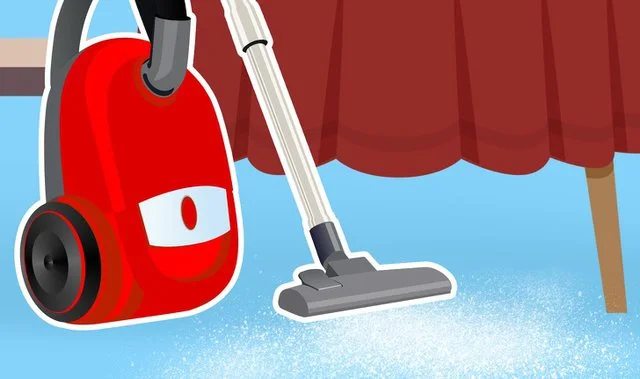
To vacuum something that's broken and looks like the easiest thing right now. After a while, however, we may find that our device smells bad, that its work ability has decreased significantly, or that it has stopped working, for reasons unknown. And that's certainly because there are things we shouldn't suck into a vacuum cleaner.
Coffee should not be vacuumed, which will promote mold growth in the dust bag. The bases used are always wet, even if they don't seem to be. In addition, these particles quickly stick to the insides of the vacuum and become almost impossible to clear.

Toilets: Cosmetic dust and other dry cosmetics actually contain oils and substances that begin to melt under the influence of the hot air. That's why cosmetics is considered one of the most dangerous enemies of vacuum cleaners all because fat compounds will melt inside the device and block mechanical parts and filters.

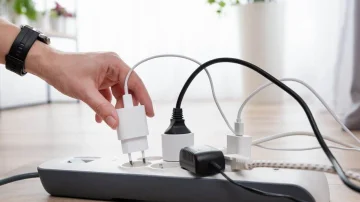
It may seem like a comfortable solution to clean electric wires with the help of the vacuum, but the power of the absorption can damage the cables and remove small wires. These are not always visible, and you can end up with a short circuit or an electric shock.

Experts say that if you need to clean flour with a vacuum cleaner, pay attention to how much you are cleaning. A small handful won't hurt the device, but if you pour the whole package, it's better to handcuff it, otherwise, it could damage the vacuum -- all filters will be blocked and flour can get inside the engine and disable it.