7 hours ago
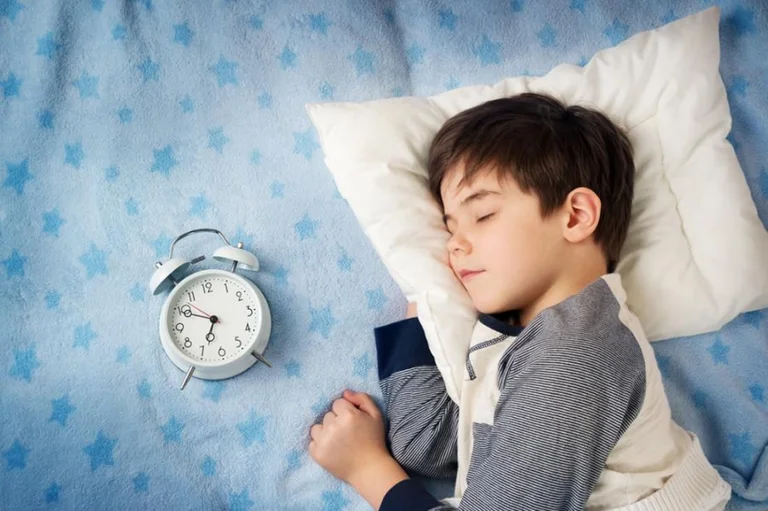
Sleep deprivation, a problem that should not be underestimated in children
Periskopi(7 years ago)
(7 years ago)A study by the University of Cardiff found that children using sleeptime electronic devices have been at risk in sleep deprivation compared with children who had no access to electronic devices, the study included a systematic collection of 20 studies involving more than 125 thousand children, found that quality [...]
The study included a systematic collection of 20 studies, including more than 125 thousand children, found that the quality of sleep and fatigue during the day as a result of lack of sleep, broadcast news.
Dr. Ben Carter of Cardiff University Medical School said: “Our research is the first to consolidate results during existing research and provide further evidence of the harmful effect of electronic devices both in length and in the quality of sleep.
“Gjumi is a often underrated but important part of child development, with regular lack of sleep causing a host of health problems. With the growing popularity of media portable devices, such as intelligent phones and tablet, the problem of poor sleep among children has deteriorated. Our findings suggest that an integrated approach involving parents, teachers and health care professionals is necessary to improve sleep habits”.
Currently 72 percent of children and 89% of teenagers have at least one equipment in their bedroom, and most are used near sleep. Such devices are thought to affect sleep negatively by psychologically stimulating the brain and affecting sleep physiology.
Child sleep disorder is known to lead to adverse physical and mental health consequences. The results of harmful short - term and long - term health include poor diets, soothing behavior, overweights, lower immunity, stun growth, and mental health issues.