The diaspora vote count is continuing, VV achieves the 53rd term, PDK remains at 22, LDK falls to 18
 7 hours ago
 (6 years ago)
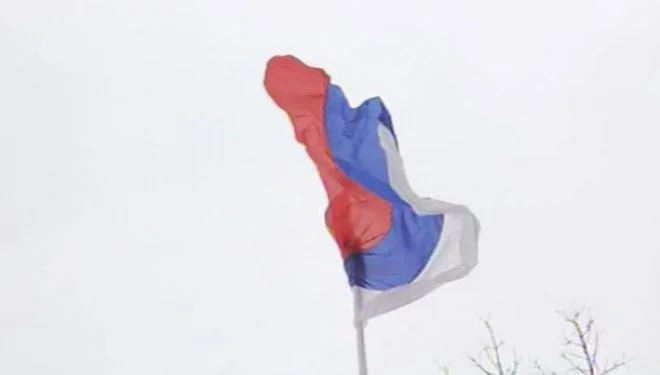
Tens of officials and former well-known officials, academics and cultural figures in the Balkans have joined an online petition, warning of the region's <x0 peace threat” on the part of Belgrade, following reactions seen following the adoption of a new law on religious freedoms in Montenegro. Among the 120 signatories [...]
Among the 120 signatories of <x0pel against Belgrade's threats to peace in Montenegro and the region” are former presidents of Croatia and Slovenia, former Yugoslav Freedoms, three Serbian lawmakers and ten journalists.
“We have seen the need to remind ourselves of some of the things that happened in the 1990s and to stress that they are happening even now under a similar scenario”, said Sonja Biserko, the 30 December appeals signatories and founder of the Helsinki Committee for Human Rights in Serbia, for Radio Free Europe's Balkan Service, referring to the bloodshed that has resulted from the breakup of Yugoslavia.
The law adopted last week in Montenegro's Parliament for Religious Freedoms has sparked concerns about taking church property from the state, so this document has been rejected by the Serbian Orthodox Church, which still has a leading position in Orthodox churches in Montenegro.
This law has sparked violent protests among pro-Serb Montenegrins, anger among Serbs and severe physical confrontation in Serbia's Parliament, where lawmakers have said the Serbian government is doing very little to protect the Serbian Orthodox Church in Montenegro.
After publishing the open letter, Serbian President Aleksandar Vuciq has sought calm and has said Belgrade should not be blamed because it has nothing to do with the new law.
He has said Serbs have only expressed their concerns about the position of Serbs and the Serbian Church in Montenegro.
Former part of Yugoslavia, Montenegro has been independent of Serbia through a referendum in 2006.
In addition to the letter, the Republic of Montenegro is said to be the target of attempts to destabilise itself through violent measures.
It charges Serbia's ultranationalist “for using the new law as another attempt at coup”.
 9 hours ago


 11 hours ago