3 hours ago
Should the inner organs of animals that we so love be consumed? What the Truth Is Like
Periskopi(6 years ago)
(6 years ago)Organ meat is sometimes called “upper food” because they are dense sources of vitamins and nutrients, including: -Vitamine B - Hecur -Fosfor - Baker - Magnese - Vitamine A - Vitamina D -Vitamine E -Vitamine K Worldwide, many cultures like to use a whole animal for food, including the use of blood, bones [...]
Organ meat is sometimes called “upper food” because they are dense sources of vitamins and nutrients, including:
-Vitamine B.
- Iron
-Fosphorus
- Baker.
-Magnez
- Vitamine A
-Vitamine D
-Vitamine E
-Vitamine K.
Worldwide, many cultures like to use a whole animal for food, including the use of blood, bones, and organs.
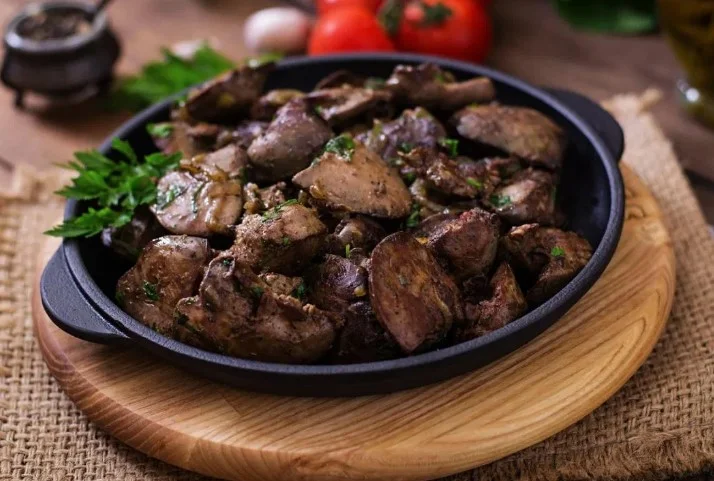
In the natural world, predatory animals are known to value their prey organs, for example, first to eat their liver because it is so dense with nutrients.
Benefits
liver
The liver is the flesh of the denser food organs, and it is a powerful source of vitamin A. Vitamin A is useful for eye health and for reducing diseases that cause inflammation, including everything from Alzheimer's disease to arthritis.
The liver also contains folic acid, iron, chromium, copper and black and is known to be especially good for the heart and for increasing hemoglobin levels in the blood.
Kidney
Rich with nutrients and protein, kidney meat contains omega 3 fatty acids. It is also known to contain anti-inflammatory properties and is good for the heart.
True
Brain meat contains fatty omega 3 acids and nutrients. The latter include phosphatedilcollin and phosphatedilserine, which are good for the nervous system.
Antioxidants taken from eating the brain are also useful in protecting the human brain and spinal cord from injury.
Baby.
The heart is rich in speech, iron, black, and seat. It is also an excellent source of vitamins B2, B6, and B12, all three are in a group known as B-complex vitamins.
Vitamin B, found in the flesh of organs, has a heart condition that protects them from heart disease.
Vitamin B is also associated with maintaining healthy blood pressure, lowering high cholesterol and forming healthy blood vessels. They are useful to the brain and have been found to reduce the risk of Alzheimer's disease, degeneration, depression, and anxiety.
Heart meat is also an excellent source of Q10 (CQ10) coenism. This is an antioxidant and can help treat and prevent certain diseases, especially heart disease.
The CEC10 has shown to slow down the aging process and improve energy levels.
Language
Language meat is rich in calories and fatty acids, as well as black, iron, coline, and vitamin B12. This flesh is considered especially useful to those who are cured of illness or to pregnant women.
The speech is vitamins in organs that are considered useful for fertility and to help avoid fetus defects in a child, such as spina bifida and heart problems. Additionally, vitamins B6 can help during the morning stage of pregnancy.
Dangers
Organic meat is rich in cholesterol and full fat. Despite popular belief, cholesterol and stocked fat are now thought to be important for a balanced diet, but they must be consumed in mode.
The US Department of Agriculture's dietary guidelines (USDA) say that fed fats should be limited to 10 per cent or less of an individual's calories.
However, for adults needing to lower their cholesterol, the American Heart Association recommends that the fat not amount to more than 5-6 percent of daily calories.
It is also widely believed that people with soil must avoid eating the flesh of organs, since they contain the cigar, a molecule associated with ground fires.
Moreover, there may be concern that animals exposed to toxins and pesticides will have toxicity in their organs. It is important to remember that while organs, such as liver and kidneys, act as filters for toxins that enter the body, they extract toxins and do not store them.
It is recommended that organ meat be taken from a farm that uses organic practices and places its animals for pasture.