3 hours ago
The mold disease is everywhere, the signs of how you can see that you suffer from the problem
Periskopi(6 years ago)
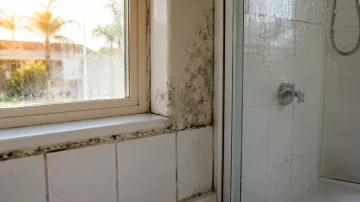
(6 years ago)When you notice mold stains on the walls of your home, breaking up plaster or aesthetic should be the last problem to worry about! The presence of mold spores in your home can cause little health problems, and you have to understand the first signs before it's too late. Exploration [...]
When you notice mold stains on the walls of your home, breaking up plaster or aesthetic should be the last problem to worry about! The presence of mold spores in your home can cause little health problems, and you have to understand the first signs before it's too late. Long-term exposure to mold can become a serious concern. There are more than 1,000 species of mold that can appear in your home, and scientists classify the latter by negative effects on the human organism.
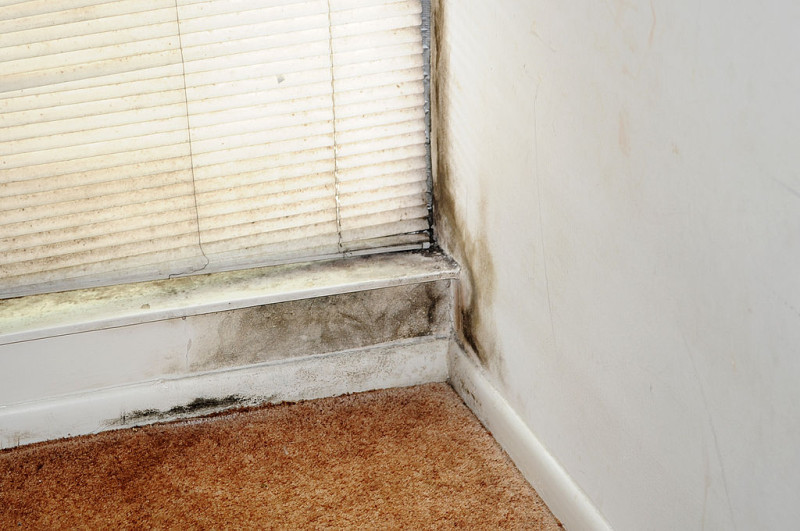
Mold can be toxic, allergic, pathogenic, white, black. He's got a different view and he's got his own distinctive smell! Mold is dangerous because it releases invisible spores that we enter into our organism through breath. These body biotoxins cannot metabolize and are often misdiagnosed because symptoms are similar to allergies!
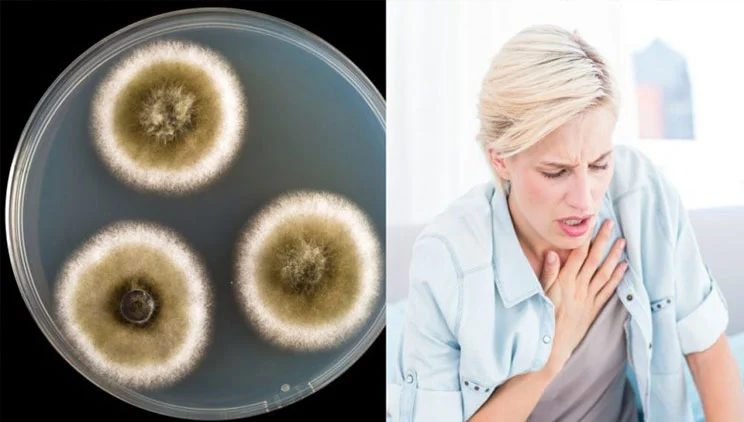
If mold disease is not treated in time, it can produce other complications such as asthma, synosis, and lung inflammation. Here are the most common signs of mold disease.

1. Sneezing
That's because mold spores can irritate your nose and throat.
2. Rattle or nose blocked A heavy, interrupted breath
This is mainly when the immune system creates a mucosa to protect the body against mold spores.
3. Pilling and formation
Long-term mold exposure can lead to complications such as pneumonia and bronkitis.
4. Red, irritability, and tears
Like other allergens and molds, it can irritate your senses as they are, the first line facing outside agents and doing their filter.
5. Inexplicable muscle pain and weakness
6. Metal taste in the mouth
If you notice that you suffer from these signs, or fear that in the future you may suffer from mold disease because your home walls are moldy
Human response to mold is not the same. It depends on many factors, such as exposure to it, general health condition, age, disease, or chronic allergies, etc.... Of course, the most endangered are children and old age. /David Wolfe/