4 hours ago
Learn about the signs that cancer is reaching “very much in your body
Periskopi(6 years ago)
(6 years ago)Doctors predict that thousands of deaths can be avoided each year if cancer is diagnosed early. In fact, survival levels rise by over 70% when certain types of cancer are quickly discovered. Here are the main signs of the warning that cancer is growing inside your body, including an early symptom that you need to be controlled. Infection of [...]
Doctors predict that thousands of deaths can be avoided each year if cancer is diagnosed early. In fact, survival levels rise by over 70% when certain types of cancer are quickly discovered. Here are the main signs of the warning that cancer is growing inside your body, including an early symptom that you need to be controlled.
- Frequent Infection
Possible cancer - leukemia or lymphoma
Chances that affect your bone marrow often appear in the form of infection. The marrow begins to produce abnormal white blood cells that prevent your body's ability to fight infection. While your body may manifest an infection anywhere, your mouth, skin, or lungs often indicate an infection first.
- The Loss of Emotion
Possible cancer: ovaries, stomach, pancreatic, or colon
Lack of appetite and feeling full without eating are key signs of ovarian cancer. The stomach cancer, pancreatics, and colon can pressure your stomach and make you feel very satisfied to eat. Consult your doctor if you notice a change in your appetite that lasts two weeks or longer.
- Overfruit
Possible Cancer - leukemia
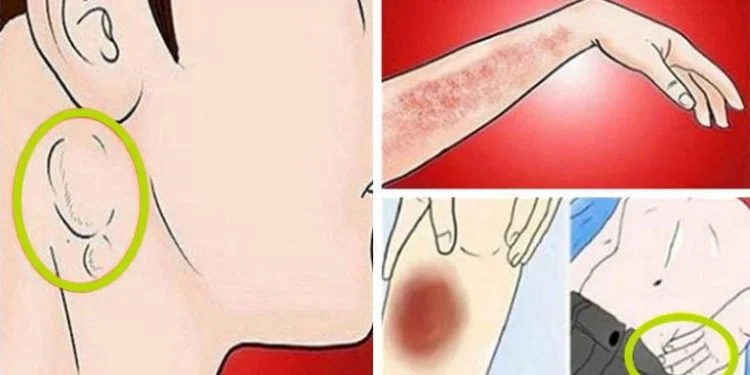
Finding a bruise after a fall is no reason to worry. But if you notice extracts that appear constantly or in strange places (see hands, fingers, and toes), you will need to be checked by a doctor. leukemia cells block red blood cells, preventing their ability to perform oxygen, which leads to blood clots, according to the American Cancer Treatment Centers.
- Inexplicable weight loss or gain
Possible cancer: liver, esophagus, lungs, pancreasis, stomach, or ovaries
According to the ACS, many patients suddenly diagnosed lose 10 or more pounds as the first sign of cancer. As cancer cells begin to attack healthy ones, your body can respond by losing weight. Weight loss is evident in liver cancers, esophagus, lungs, pancreatics, and stomach cancers. By contrast, ovarian cancer patients report inexplicable growth in stomach weight or sooting.
- Disspesion and Harm
Possible cancer - esophagus, stomach, or throat
Disphagia, the term for difficulty in swallowing, is the most common sign of esophagus cancer. ACS explains that you may not be adapting to dysphagia and ignoring the early signs of cancer in your throat. When swallowing becomes more difficult, people often change their diet and eating habits without realizing it... As cancer grows larger, the problem may get worse.
- Finger Changes
Possible cancer - melanoma, liver, or lungs
The deadliest type of skin cancer, melanoma, begins at 1% of Caucasus patients and 20% of African-American patients as a brown tape under nails. The pale or white nails may be a sign of liver cancer. The extension of fingers and nails that bend over advice can be a sign of lung cancer.
- Chronic Column
Possible cancer - lungs, neck, or leukemia
A chronic cough or chest pain usually points to a common infection such as bronze or sinusti. If symptoms persist longer than a month, they may indicate a more serious illness. Leuchemia and symptoms of lung tumors can mimic a bad cough. If you produce blood on the coughing mucosa, see a doctor immediately. It can be a sign of lung cancer or neck cancer.
- Skin Changes
Possible cancer - skin, kidney, kidney, pancreas
Moor variations and pigmentation are more often linked to skin cancer. However, different skin changes may indicate other types of cancer. If you notice growth in hair growth, you may have kidney cancer. Pancreatic cancer can manifest itself in the form of yellows, or your skin and white eyes. Verdex can also show liver cancer.
- Gunga
Possible cancer: breasts, testicles, or lymph nodes
Gunges can signal cancer or an inflated cancer - related gland. Even though many are harmless, like a dove, every hump or gland that is constantly blowing in a few weeks must be checked. A helpful guide: A soft, playful hump may indicate an infection, and a painless hump that is fixed in the country is more likely to be cancer. Regardless, consult your doctor.
- Log
Possible cancer - leukemia or lymphoma
Inexplicable fatigue is the most common sign of cancer. Johns Hopkins Medicine explains that cancer - related fatigue is different from normal fatigue; it is not the result of activity and cannot be fixed by sleep. Loss may be linked to blood loss from other cancers such as leukemia and lymphoma. According to the American Cancer Society, fatigue is widespread among leukemia patients.
- Pain Back
Possible cancer - pancreatics, kidneys, prostate, or ovaries
Back pain is a broad symptom of cancer. Tumores can grow on the spine, weakening or expanding the bone. However, back pain may more likely result from cancers that appear in lower abdomen areas, including pancreases, kidneys, or reproductive organs.
- Inflammatory Concerns
Possible cancer: colon, ovaries, or leukemia
If you are experiencing severe cramps or stomachs, you may display early signs of bulgal cancer. Go to a doctor if you notice persistent stomach cramps or are suddenly, often mixed. Gas, dyspessia, cramps, and inexplicable stomach pressure can also signal ovary cancer. Pain and cramps in the hips may be linked to leukemia, which expands the mouth.
- Inexplicable Anemia
Possible cancer: gastroinsteinal, urinary, vaginal, leukemia, or lymphoma
Bone marrow cans such as leukemia and lymphoma usually interfere with your body's ability to make red blood cells and to use already preserved iron. It causes anemia and makes you feel tired and weak. Chances that lead to blood loss as gastroinstinal, urinary lesions, cervix, and vaginal cancer can cause bloodshed and lead to anemia of iron shortages.
- Continued Headaches
Possible Cancer - the Brain
Brain cancer is not often on human radar as other cancers. But experiencing frequent headaches that do not improve with treatment as well as anxiety and muscle weakness shows only him. An abnormal growth in brain cells involves treatment of neurologics, oncologists, and neurosurgeons.
- Pain
Possible cancer: bone, liver, testicle, uterus, or breast
According to the ACS, pain can be an early symptom of bone cancer or testicle cancer. More often, the pain because of cancer means that it has already spread (mastatized) from where it started.
Painful periods that are unusual are a common sign of cervical cancer, and back pain can be an early sign of liver cancer. Many people do not know that breast cancer can be shown through back pain; the tumor can be crushed back and spread on your back or ribs.
Cancer Without Warning Signs
There are several cancers without telling. Pancreatic cancer may not show signs until it has progressed to an advanced stage. Your doctor may recommend regular tests of cancer if you have a family history of the disease.
Despite its warning signs, it is impossible to know exactly how an individual can respond to a certain type of cancer, since symptoms change.