5 hours ago
Kosovo 172 days without government: Belgium and Somalia hold record
Periskopi(6 years ago)
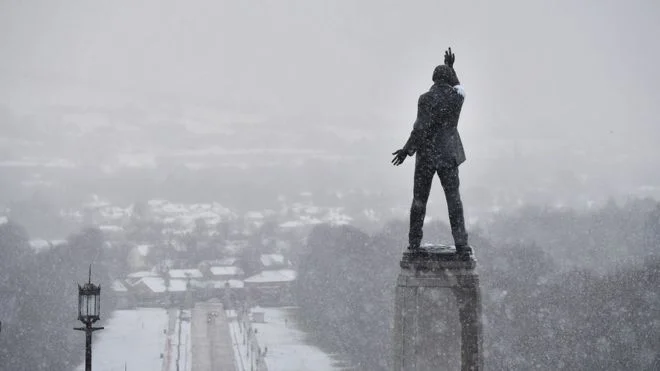
(6 years ago)At the heart of any modern democracy is the idea that leaders are elected to rule. But it was 2018 that taught us that it wasn't really like that and that questions should be asked if we really need politicians? A few years ago, Northern Ireland found itself without government, as Martin McGuines [...]
A few years ago, Northern Ireland found itself without a government after Martin McGuines resigned due to a clash over the power scheme.
The nationalist and unionist parties could not agree to rule the country, Periscopi follows.
The state budget was to be imposed by London, and daily decisions are carried out by civil servants.
While such a situation may seem extraordinary, it is not. The lack of political leadership has not caused a collapse in public services and people can do their jobs quite normally.
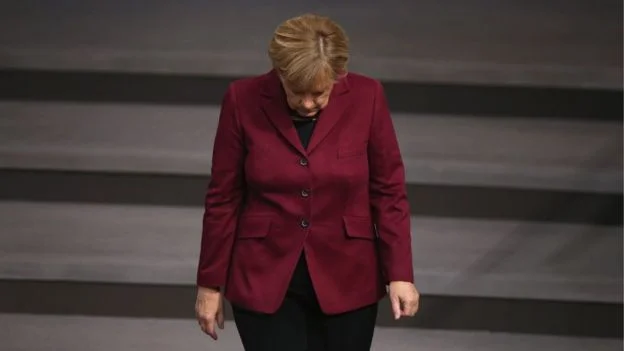
Even Germany had not had government for a long time after the last elections, where Chancellor Merkel's party came out first, although it lost many points.
Belgium, meanwhile, holds the record for the longest period of government-free country in 2010-11 you have 589 days of vacuum so far. Compared to Kosovo, writes Periscopi, which so far has reached 172 days without effective government (as of July 19th, when Haradinaj resigned).
Spain spent the first 10 months of 2016 in a similar situation with the Socialists who simply voted to allow the conservatives to form a minority government. But now the Socialists themselves faced the same situation after they won the elections.
It is not hard to find examples outside Europe.
Somalia had no government for 15 years.
However, this situation is not as dramatic as other forms of democratic failures.
In the United States, government bans take place periodically, leading to the closure of museums, the lack of passports, and others.
In other cases of national crises, countries can even decide <x0 technocratic government”, as Italy had done with Mario Montin between 2011 and 2013. /Periscope