3 days ago
The ingenious scientist who changed human fertility forever
Periskopi(6 years ago)
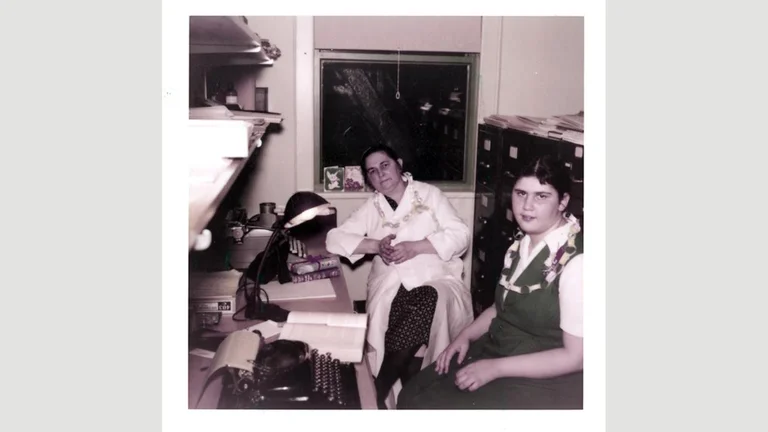
(6 years ago)Few people know the name of the woman who successfully fertilized an in vitro egg, thus changing the reproductive drug forever. She is Miriam Menkin, graduated from Cornell University in histology and comparable anatomy in 1922. Next year she won her master in genetics from Columbia University, and briefly taught in [...]
She is Miriam Menkin, graduated from Cornell University in histology and comparable anatomy in 1922. Next year she won her master in genetics from Columbia University, and briefly taught biology and physiology in New York. And when he decided to follow Father's dream, he was rejected by two facultyes, saying they refuse women.
So she began taking courses in bacterology and emberology, helping her husband experiment in the laboratory. Where he even met Gregory Pincus, the biologist at Harvard, co-developer of contraception pill.
No matter how she relates the story, Miriam Menkin's success was no coincidence. It took years of study and patience to repeat the same experiment over and over again. Menkin's goal was to fertilize an egg outside the human body by helping women this way.
She went to her lab every week for six years; she exposed sperm and egg to each other in a glass container about 30 minutes and begged that two become one, away she saw something wonderful: the cells were melted and now they were sharing, giving her the world's first view of a human embryo engaged in glass.
Menkin has been called by various names, technical times, researchers and times biologists, so its role is not accepted. Historian Margaret Marsh of Rutgers University says that she is a scientist, with the mind of a scientist, and the accuracy of a scientist and the faith of a scientist.
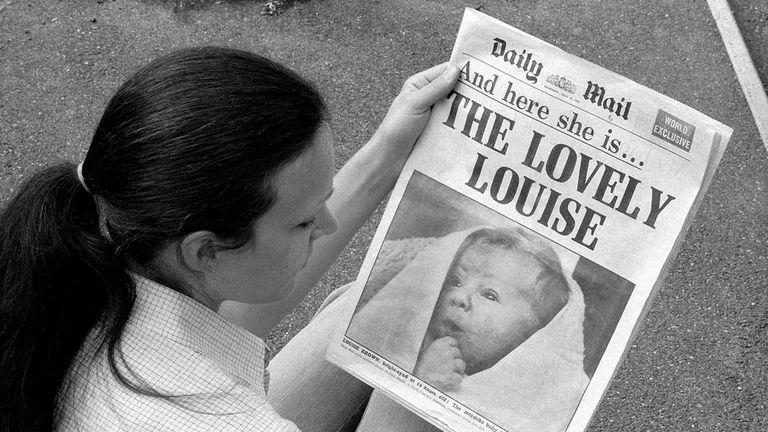
Menkin's arrival brought a new era of reproductive technology, in which Gentile women became pregnant. So in 1978 the world would meet its first in vitro child, Luis Brown.