3 days ago
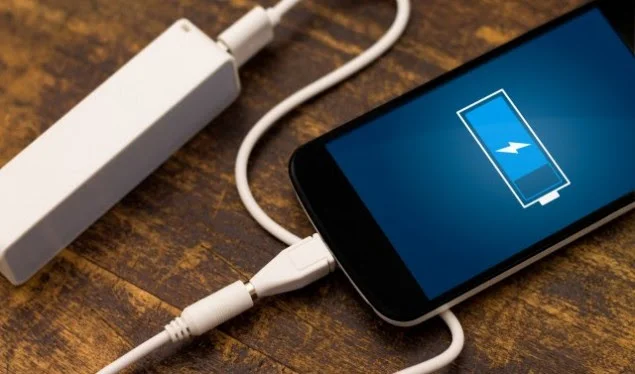
New battery type: You won't need to fill out your phone for five days
Periskopi(6 years ago)
(6 years ago)Scientists in Melbourne have developed a lithium-sqfur battery that has five-time lithium battery capacity. This battery holds 99 percent efficiency over 200 cycles of filling, and if you have it on the smart phone, you won't need to load your device for five days. However, the problem with these batteries is [...]
Scientists in Melbourne have developed a lithium-sqfur battery that has five-time lithium battery capacity.
This battery holds 99 percent efficiency over 200 cycles of filling, and if you have it on the smart phone, you won't need to load your device for five days.
However, the problem with these batteries is that sulfur electrodes rot during the loading and discharge cycle, and energy advantage is rapidly disappearing, says scientist Madokt Sheikhani, who led a team of scientists from Australia.
The electricity will collapse and then the battery will close quickly,” it adds. This is because sulfur electrode expands and decreases during the cycle, with a change in volume of about 78 percent. The change in volume also occurs with electrodes on lithium batteries that power electric cars and smart phones, but it's about eight times smaller.
To prevent electrodes from breaking up on a lithium-sqfur battery, researchers have given sulfur particles more space to expand and shrink.
Usually lithium-sqfur batteries have materials that tie particles together so the battery doesn't explode when it expands. A smaller amount of polymer binding material was used here in electrodes, thus creating more remote structures between sulfur particles.
Shaybaniyev says a lithium-sqfur battery would drastically reduce costs for electric vehicles and energy conservation in general, as sulfur is a widespread and extremely free material, Kosovo Press broadcasts.
However, the batteries of lithium sulfur may face similar ethical issues with lithium batteries.
The metal Oksides in the batteries of ion lithium are usually nikel, cobalt, or mangan, which are expensive and less expensive in nature. The problem is this: A considerable percentage of cobalt, for example, comes from mines in the Congo where children work.
Researchers will also test battery prototypes in order to make them available commercially in Australia in the coming years.