an hour ago
Why are so many animal diseases spreading?
Periskopi(6 years ago)
(6 years ago)The world is being caught with the new coronary, which has spread from China to at least 15 other countries. The new virus is thought to originate with wild life - animal life. This is likely to be more of a problem in the future as climate change and globalisation change the mode of interaction [...]
The world is being caught with the new coronary, which has spread from China to at least 15 other countries.
The new virus is thought to originate with wild life - animal life. This is likely more of a problem in the future, as climate change and globalisation change the way animals and humans interact.
Most animals carry a large range of pathogens, bacteria, and viruses that can cause disease. The pathogen's evolutionary survival depends on the infection of new hosts, and jumping to other species is one way to do so.
The immune systems of the new host are trying to destroy the pathogens, that is, they are both locked in an evolutionary eternal game trying to find new ways to defeat each other.
For example, about 10% of the infected died during the 2010 Sars epidemic compared to below 0.1% for a <x0-cytotypical <x0))) flu epidemic.
Environmental and climate change is taking away and changing animal habitats, changing the way they live, where they live, and who eats who. People's orphan way has also changed: 55% of the global population now lives in cities, down from 35%, 50 years ago.
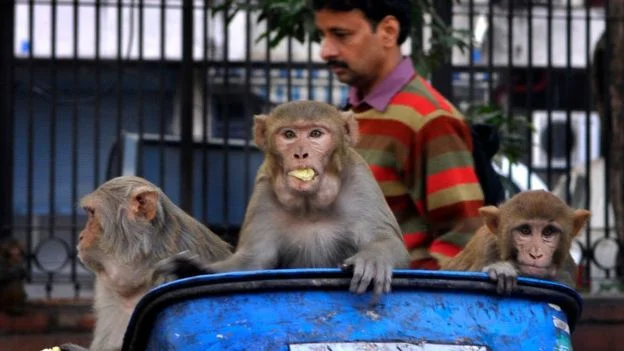
These larger cities provide new homes for wildlife, rats, squirrels, foxes, birds, dragons, and monkeys who can live in green spaces such as parks and gardens and feed on the garbage left behind.
Only about 10% of the pathogens in the world are documented, so more resources are needed to identify the rest and which animals hold them. For example, how many mice are in a world capital, and what diseases do they carry?
Many city dwellers value urban wildlife, but we also need to know that some animals carry serious diseases. It makes sense to note which animals are coming to the cities soon and whether people are killing or bringing them to markets from the surrounding area.
Improved sewers, waste disposal and damage control are ways to help prevent the exposure and spread of these “emissions” of viruses. More generally, it's about changing the way our environments are managed and how people interact with them.