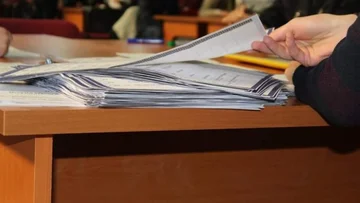
The diaspora vote count is continuing, VV achieves the 53rd term, PDK remains at 22, LDK falls to 18
 5 hours ago
 (7 years ago)
US Senators Chris Murphy and Ron Johnson said Friday in Belgrade that Kosovo and Serbia should make sacrifices to ensure the normalisation of relations between them. The two senators stayed in Belgrade two days after visiting Pristina to send the message that the United States supports the resumption of talks and the arrival of [...]
US Senators Chris Murphy and Ron Johnson said Friday in Belgrade that Kosovo and Serbia should make sacrifices to ensure the normalisation of relations between them.
The two senators stayed in Belgrade two days after visiting Pristina to send the message that the United States supports the resumption of talks and reaching an agreement between the parties.
The talks have been suspended since November of last year, when Pristina imposed a 100 per cent fee on Serbian goods in sign of opposition to Belgrade's campaign against Kosovo citizenship.
Serbian President Aleksandar Vucic said on Friday that Belgrade expects the removal of the fee and requires a compromise agreement without which Serbia cannot recognise Kosovo's independence.
The visit of two senators to the Balkans takes days after US Secretary of State Mike Pompeo appointed his deputy Matthew Palmer as the Special Representative for the Western Balkans. His appointment is seen as a testimony to the greater involvement of the United States in the process of talks between Kosovo and Serbia.
For observers in Kosovo, the senator's orders are part of an American record over the past 12 months.
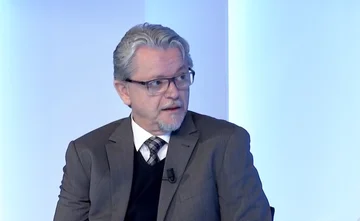
The Balkan Group's executive director for policy drafting, Naim Rashit, tells of the Voice of America that the United States is getting involved in the region through two initiatives.
“This is a new two-step initiative, is the appointment of Mr. Palmer's special envoy for the Balkans and two senators who are trying to prepare a framework, a clearer and consolidated agenda for the State Department responsible for the Secretary of State and these initiatives are very well co-ordinated, so that one can work at the highest political level but not engage direct bureaucracy and the other by engaging direct red tape through Mr. Palmer,” Mr. Rashi said.
Mr. Rashit says American officials are awaiting the outcome of elections in Kosovo to increase pressure on the new government to lift tariffs and renew talks with Serbia.
“Whoever forms the government will face one side with pressure to remove and on one side with internal pressure not to remove the tax and not go into open dialogue in a spirit which the United States is creating. The political stances of most political subjects are very clear that they are not compatible with this spirit but did not express openly because they are US and do not want to have concrete answers, do not believe in this version, and are left to see how these actors will be persuaded to go into dialogue by removing the” tariff, Mr. Rashi said.
Mr. Rashit says the international factor does not even want to try restarting talks without lifting tariffs on Serbian goods.
Continued talks could be expected after early elections in Kosovo, held on 6 October. Diplomats hope a new government will be formed soon after these elections and reopen talks before Serbia enters the election period held in the spring of next year.
 7 hours ago
 8 hours ago