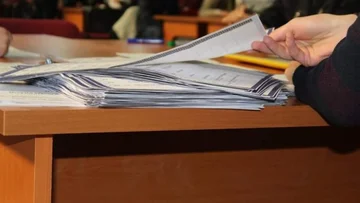
The diaspora vote count is continuing, VV achieves the 53rd term, PDK remains at 22, LDK falls to 18
 4 minutes ago
 (7 years ago)
The formation of the International Tribunal for the investigation and trial of Serbian crimes in Kosovo, 20 years after the end of the war, is considered difficult for Chief of State Alexander Lumezi. Lumez in an interview for Online Economics said he does not believe in the creation of an International Tribunal, this idea of Parliament head Kadri Wessel, [...]
Lumez in an interview for Online Economics said he does not believe in the creation of an International Tribunal, this idea of Parliament leader Kadri Wessel, who will condemn the Serbian genocide. All of this, according to him, because there has been a court, The Hague, who has dealt with this crime. He says it would be better to strengthen the State Prosecutor's institution, but other institutions as well.
I think it has been very difficult to form an International Court for War Crimes that happened in Kosovo because we already have an International Court that has functioned and I think it might have been much better to strengthen the state prosecutor's institution, but also other institutions like police, the Department dealing with war crimes, the war crimes units, and that we have international co-operation maybe even with the states of the region can give us proof of witnesses who are in those states, but also help us with the arrest of suspected persons and I think strengthening Kosovo's Special Prosecutor, we can elect these war crimes, he said.
Lumez says the State Prosecutor is working on the prosecution and investigation of those who committed crimes. According to Lumez, to track these people, the Kosovo Prosecutor needs the help of other states as well.
“We have the war crimes department that operates within the Special Prosecutor's framework, and there are 3 prosecutors, they work with materials every day, they make decisions about the launch of investigations, they make different requests of the Kosovo Police to collect information that is needed for the launch of criminal procedure and freeze accusations”, said further.
The changes to the Code of Criminal Procedure, including judgment in absence, he is convinced that there will be results in this.
In addition to war crimes, Lumez says the investigation into clean-level corruption cases is also being taken. According to him, these cases are not being prolonged because of the prosecution's neglect, but because of the courts, since they, according to him, move from one instance to the next.
He says they have targeted 52 cases, but acknowledging they are complex and it takes time to provide sufficient evidence.
There have been a total of 52 cases that we've targeted, we've gone to even the most serious cases that have happened in Kosovo, we have a total of 52 cases targeted, but those materials are complex and for which enough time is needed on the part of prosecutors to provide sufficient evidence which confirms the basic suspicion that concrete persons have committed in order to file charges or fire investigations, it's true that these materials are being prolonged, but are not being prolonged due to the neglect of the prosecutors, the Lumbore said.
Lumez at the end said that if there is evidence even for the heads of state, they are forced to begin investigations into those who have criminal responsibility.
40 minutes agoan hour ago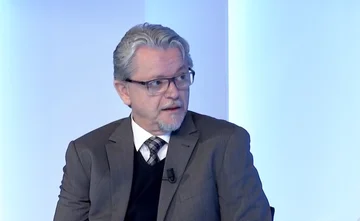
 2 hours ago
 4 hours ago