9 minutes ago
KMDLNJ gives details to the 82-year-old detainee who died today, urges the state to terminate the sentence of the severely ill

Periskopi(7 years ago)
(7 years ago)The Council for Protection of Rights and Humanity has reacted by means of a communique about the death of the 82-year-old detainee today at the Neurology Clinic. KMDLNJ reports R. B. of birth 2509.1937 in Gjakova has died in the Neurology Clinic, in the KKUK's Intensive Care Department, as a result of [...]
KMDLNJ reports R. The 25th birthday B,1937 in Gjakova, died in the Neurology Clinic, in the KKUK's Intensive Care Department, as a result of health complications.
According to KMLDNJ R. B had been admitted to prison in 25,06,2019 in very serious health and had been treated at the Dubrava prison station all along.
Because of the deteriorating state of health, it has been directed to S.P. in Pec and from there to CKUK by the 30.06.2019 at 23:00 p.m., where it has changed its life by the date 02.07.201918x1>, the KMDLNJ communiqué says.
The serious health situation with which he was admitted to prison and the age postponed by 82, despite maximum efforts of health personnel at the Dubrava Prison station, the Regional Hospital in Pec and KKUK in Pristina has been unable to avoid the death of the detained, who was in the process of extradition to the US.
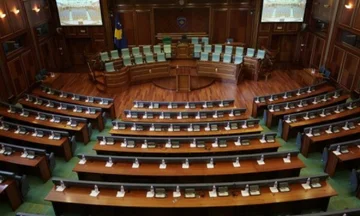
“The KMDLNj requires that the suspension of the penalty be applied in all cases assessed by the competent medical commission as if calling the deputies of the Kosovo Assembly to visit cases of undocumented prisoners and who, in the absence of human treatment from the state die in prisons of Kosovo or in regional hospital or KKUK, and in this extremely compensate the work of Kosovo's Organising Service and the Health Service of Prisons, who make maximum efforts but are excluded from final decision making. Currently, there are at least 6 cases of convicts that need to be dealt with urgently, with a poor prognosis for their lives”, said KMDLNJ's response.
KMDLNj calls on Kosovo's deputies to comply with the Law's amendment to the execution of criminal sanctions to be included and the obligation of the state for cases that necessarily have fatal prognosis, those convicts to be stopped punishment or any other measure that was imposed.
“The goal of punishment is not to avenge the state against the convicts, so if there are no changes in the future that legalise the state's mercy in case of irreversible conditions for the health of the convicts, the state will be identified and bore responsibility for flagrant human rights violations of the people deprived of freedom”, the communique said.